Ostrog Monastery Tour
Visitor Guide

Ostrog Monastery Visit

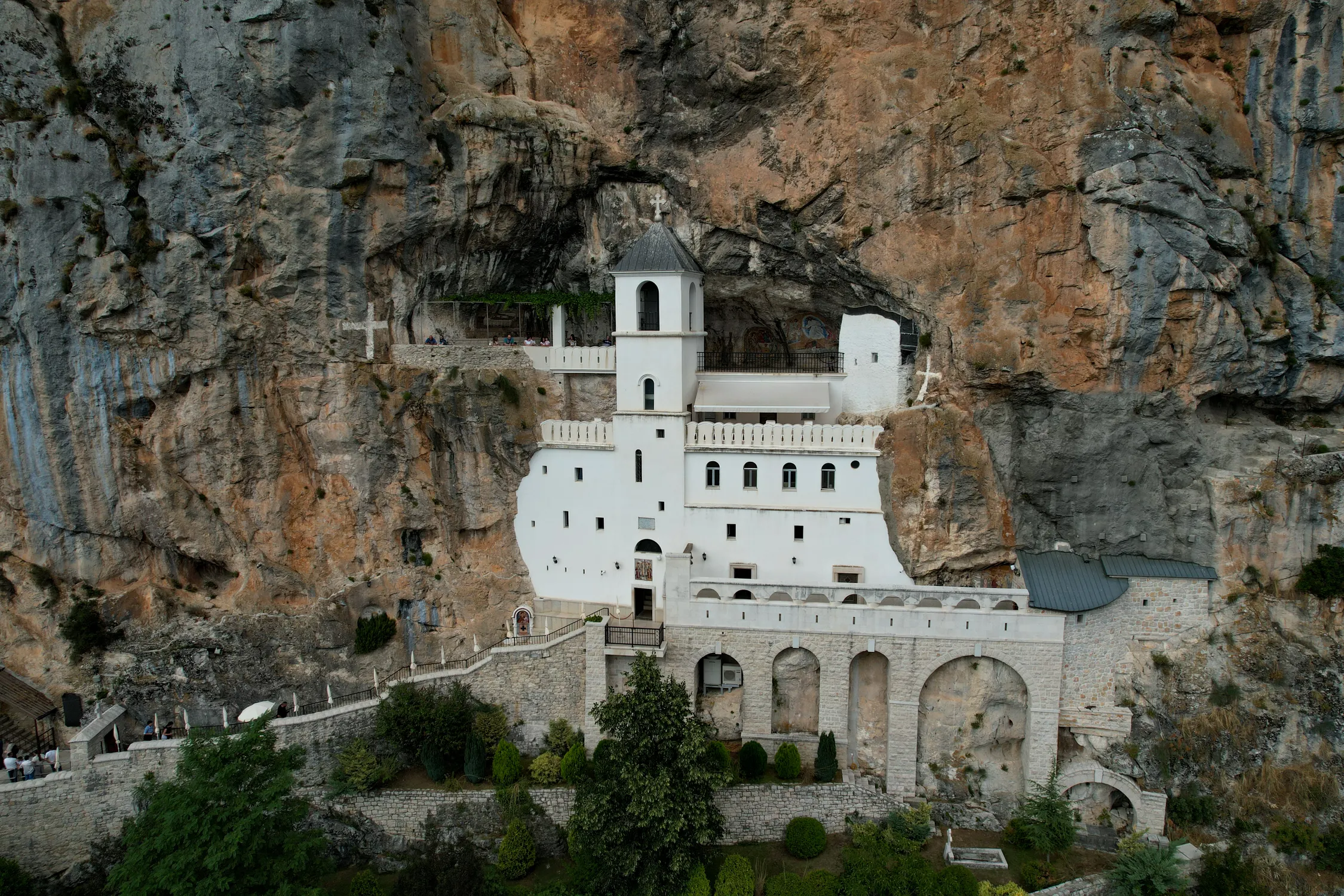
Ostrog Monastery clings to a vertical cliff 900 meters above the Zeta valley, accessible by a winding mountain road and a brief uphill walk. The site welcomes pilgrims and visitors year-round, with no entrance fee and modest dress expectations. This guide covers the logistics that make an Ostrog Monastery visit manageable.

8 min read Updated 2026-08-24 Fact-checked
Ostrog Monastery Visit

Quick answer

Ostrog Monastery is open daily from 06:00 to 17:00 with free entry for all visitors. The site comprises two levels—the Lower Monastery with the Holy Trinity Church and the Upper Monastery carved into the cliff face, connected by a 20-minute walking path. Arrive between 06:00 and 09:00 on weekdays to avoid tour-group congestion and midday heat, and dress modestly with covered shoulders and knees.

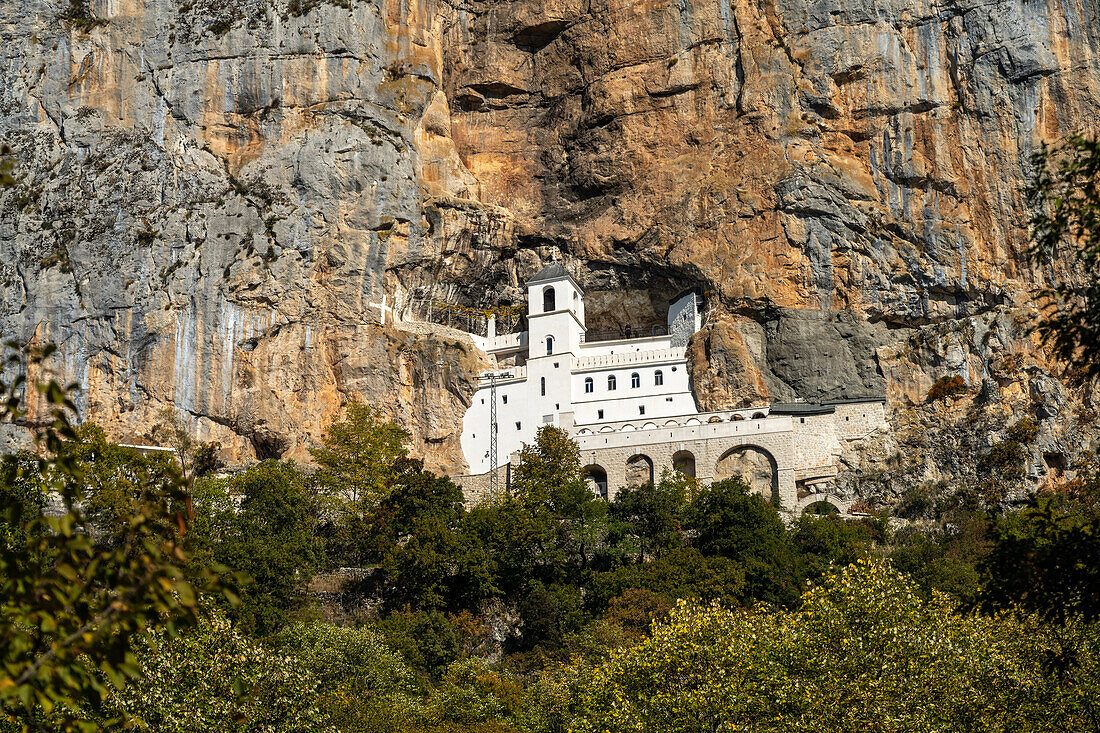
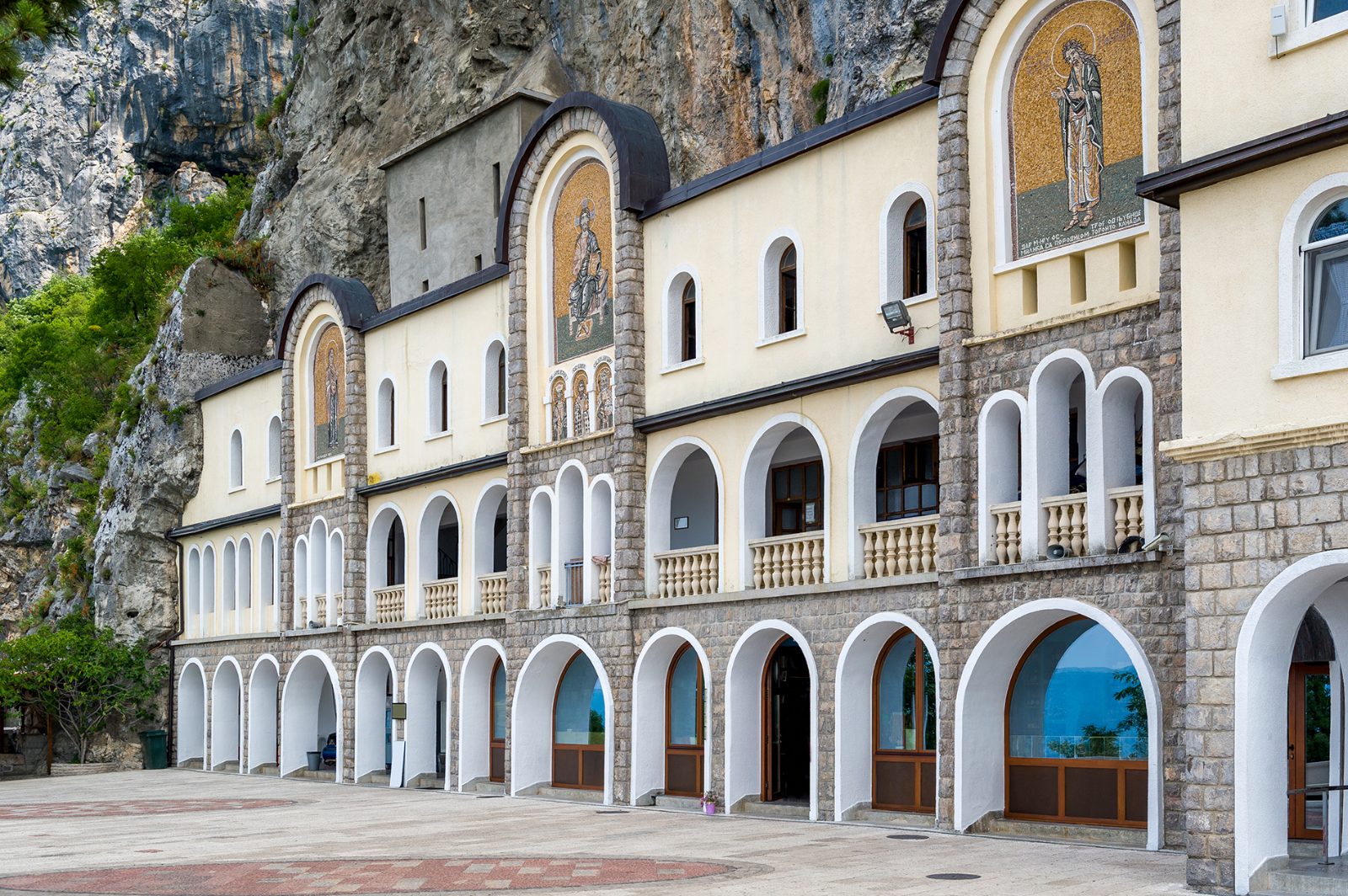
The relics of Saint Basil of Ostrog rest inside a cave chapel no larger than a hotel room, yet the monastery built around them draws half a million visitors each year. The Upper Monastery occupies two natural grottoes in the rock face, constructed in the 17th century when the saint himself oversaw the work. The white façade appears to float against the limestone, visible from the valley floor fifteen kilometers away. Most visitors approach by car or tour bus, parking at the Lower Monastery before walking the forested path to the upper level. The road narrows to single-lane width in places, with hairpin turns and no guardrails on the cliff side. Public buses from Podgorica and Nikšić stop at the Bogetići junction three kilometers below the site, requiring either a taxi or a steep uphill walk. Organized pilgrimage tours from Podgorica typically include round-trip transport and arrive mid-morning, which coincides with peak crowding at the cave churches. The monastery operates as an active religious site, not a museum. Monks live in the residential wing year-round, and liturgical services continue on a daily schedule. Visitors move through the Upper Monastery's two cave churches in single file during busy periods—the Presentation Church and the smaller Chapel of the Holy Cross, where the saint's relics are kept in a silver reliquary. Photography is prohibited inside both cave interiors. The Lower Monastery, a ten-minute drive or twenty-minute walk downhill, houses the Church of the Holy Trinity with 19th-century frescoes and a guesthouse for pilgrims. Summer temperatures in the Zeta valley regularly exceed 35°C, but the cliff-sheltered Upper Monastery remains cooler. Winter brings occasional snow to the access road, though the site itself stays open except during severe weather. The walking path between the two levels is paved but steep, with uneven stone steps in the final section. A small shop near the Upper Monastery entrance sells candles, icons and bottled water; no café or restaurant operates on-site. Most visits last between one and two hours, depending on crowd size and whether you walk both levels.

“The white façade appears to float against the limestone, visible from the valley floor fifteen kilometers away.”
Timing

The Best Arrival Window for an Ostrog Monastery Visit

The optimal time to visit Ostrog Monastery is during the early morning hours, specifically the 06:00–09:00 window, to avoid the influx of large tour groups and the midday heat. Arriving early ensures a quieter experience while navigating the mountain access roads.

May to June

Moderate; busier on weekends

Mild temperatures, 18°C–25°C

Spring offers pleasant weather for the climb before the summer peak.

July to August

Very high; daily tour buses

Hot, 28°C–35°C

These months see the most visitors, making early arrival essential.

September to October

Moderate; fewer tour groups

Cooler, 15°C–22°C

Clear skies and lower temperatures provide comfortable conditions for visiting.

Weekday mornings

Minimal

Visiting midweek between 06:00 and 09:00 minimizes crowd congestion significantly.

Verdict: The best time for a visit is Tuesday to Thursday, arriving at 06:00, during the months of May, September, or October.

Opening hours

Standard Opening Hours for Your Ostrog Monastery Visit

Ostrog Monastery remains open to visitors daily throughout the week. The site operates on a consistent schedule to accommodate those visiting the upper and lower complexes.

Monday
06:00–17:00
Tuesday
06:00–17:00
Wednesday
06:00–17:00
Thursday
06:00–17:00
Friday
06:00–17:00
Saturday
06:00–17:00
Sunday
06:00–17:00
Visitors are encouraged to complete their tour within the standard operating hours provided.
Prices

Entrance Fees and Donation Policy for an Ostrog Monastery Visit

Access to Ostrog Monastery is provided at no cost to all visitors. There are no mandatory entry fees or ticket tiers required to visit the site.

General Entrance Free entry for all visitors
0 EUR
Donations Voluntary contributions are welcome
Optional
Entrance to the monastery is free for all visitors regardless of age or status.

Verdict: A typical adult pays 0 EUR for entry, though many choose to provide a voluntary donation.

Directions

Navigating the Journey for Your Ostrog Monastery Visit

Ostrog Monastery is located in central Montenegro, carved into a vertical cliffside near the town of Danilovgrad. The site is most accessible via the winding mountain road connecting the Podgorica-Nikšić highway to the Upper Monastery.

Car 30-60 min from Podgorica

Follow the M3 highway towards Danilovgrad and turn onto the local road leading to Ostrog

Taxi 45-60 min Variable

Direct transfer from Podgorica or Nikšić city centers

Bus 1-2 hours Variable

Regional bus services to the Ostrog Monastery junction (Bogetići) followed by a hike

The road leading up to the monastery is narrow with frequent hairpin turns; drivers should exercise caution and use lower gears. Parking is available at both the Lower and Upper Monastery levels, though space is limited during peak periods.

Etiquette

Etiquette and Conduct Rules for an Ostrog Monastery Visit

Ostrog Monastery is an active Serbian Orthodox site where monks live and worship daily. Visitors must observe modest dress and quiet conduct to honor the sacred space and its community.

Do

  • Cover shoulders and knees; women should wear skirts or long trousers
  • Remove hats and sunglasses before entering chapels
  • Maintain silence inside church buildings and near prayer areas
  • Turn off mobile phones completely before entering any indoor space
  • Ask permission before photographing monks or attending services
  • Make donations discreetly if you wish to support the monastery

Don't

  • Don't wear shorts, sleeveless tops, or revealing clothing
  • Don't speak loudly or laugh inside monastery buildings
  • Don't turn your back to icons or altars
  • Don't eat, drink, or smoke anywhere on monastery grounds
  • Don't touch religious artifacts, frescoes, or relics
  • Don't film or photograph inside the Upper Monastery church
What to see

Key Areas to Explore During an Ostrog Monastery Visit

The Ostrog Monastery complex is divided into two main sections: the Lower Monastery and the Upper Monastery. Each area offers distinct architectural features integrated directly into the cliffside.

Lower Monastery

Lower Monastery

This area serves as the starting point for visitors, featuring the Church of the Holy Trinity and local monastic residences. It functions as the administrative and communal hub of the monastery complex.

Walk through the courtyard to observe the traditional architectural style.
Upper Monastery

Upper Monastery

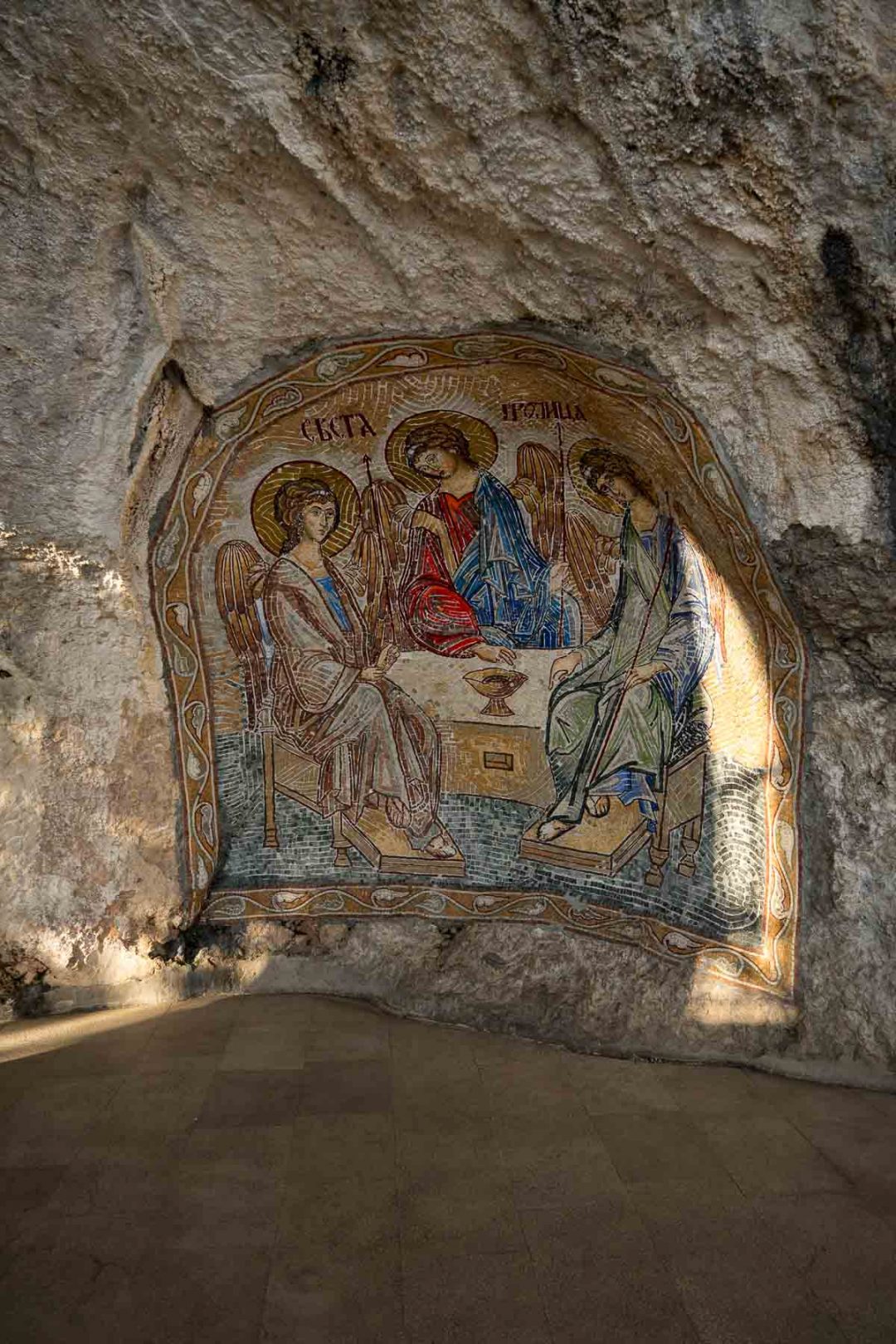
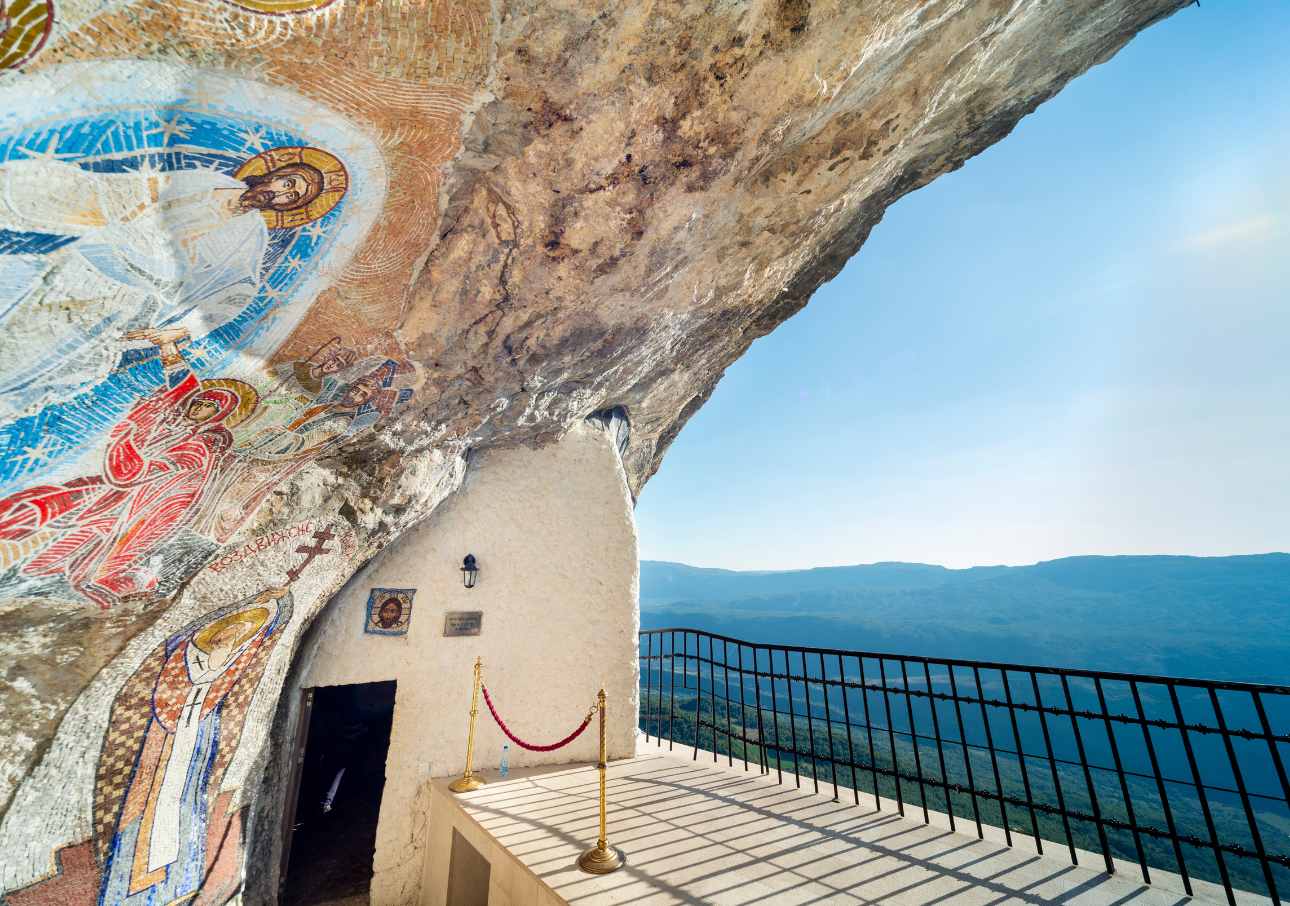
Located higher up the cliff face, this site contains the cave churches carved directly into the rock. It houses the relics of Saint Basil of Ostrog and displays preserved 17th-century frescoes.

Focus on the intricate wall paintings inside the narrow cave chapels.

Church of the Presentation

Church of the Presentation

This primary chapel is built within a natural cave and is the site where Saint Basil lived and prayed. The interior is decorated with frescoes painted directly onto the uneven stone surfaces.

Look for the frescoes positioned on the rock walls.

Church of the Holy Cross

Church of the Holy Cross

Positioned at the highest level of the Upper Monastery, this chapel contains frescoes by master Radul. It is reached via a narrow staircase that highlights the vertical nature of the construction.

Observe the detailed iconography on the vaulted ceiling.

Book

Check availability

Frequently asked

Frequently asked questions about ostrog monastery visit

Everything you need to know about ostrog monastery visit

How much does an ostrog monastery visit cost?

An ostrog monastery visit is free of charge for all guests, as the site does not charge an entrance fee. Donations are accepted on a voluntary basis if you wish to contribute to the maintenance of this Balkan pilgrimage site.

What are the opening hours for an ostrog monastery visit?

The monastery is open daily from 06:00 to 17:00, including weekends. Planning your arrival within these operational hours ensures you can access the chapel and religious relics housed within the stone structure.

When is the best time for an ostrog monastery visit?

To experience a peaceful ostrog monastery visit, arrive between 06:00 and 09:00. This early window helps you avoid peak crowds and the intense summer heat typical of the Montenegrin mountains.

Is there a specific dress code for an ostrog monastery visit?

Visitors must dress modestly to enter the sacred grounds, covering their shoulders and knees. This requirement for a respectful pilgrimage experience applies to everyone planning an ostrog monastery visit regardless of gender.

How do I reach the site for my ostrog monastery visit?

You can reach the Danilovgrad location by car or organized transport services. Navigating the winding mountain roads requires caution, so many travelers prefer professional drivers for their ostrog monastery visit.

Can children participate in an ostrog monastery visit?

Families are welcome, though the path involves walking and steep sections that may be challenging for small children. Please ensure minors are supervised at all times during your ostrog monastery visit to maintain the quiet atmosphere of the site.

Keep reading

More guides & pages