13 hr
Northern Montenegro Explorer: Durmitor, Tara Canyon & Ostrog
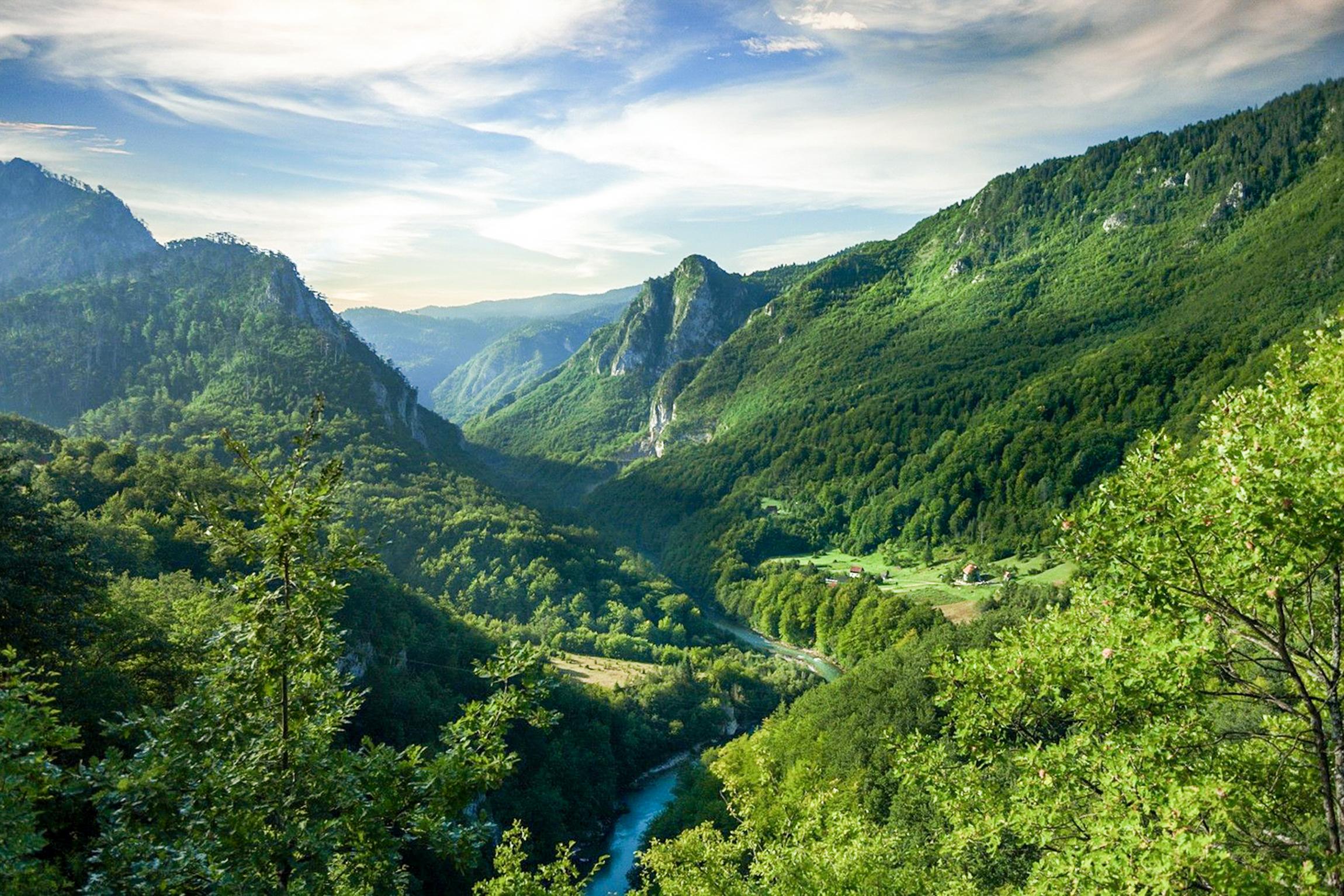
Journey through mountain peaks, glacial lakes, and Europe's deepest canyon on this full-day adventure
Reserve
Hand-picked by our editors — only the best 5 experiences from 47 reviewed.
Verified partners for every tour, free cancellation where available, and instant confirmation on every booking.
13 hr
Journey through mountain peaks, glacial lakes, and Europe's deepest canyon on this full-day adventure
Reserve
12 hr
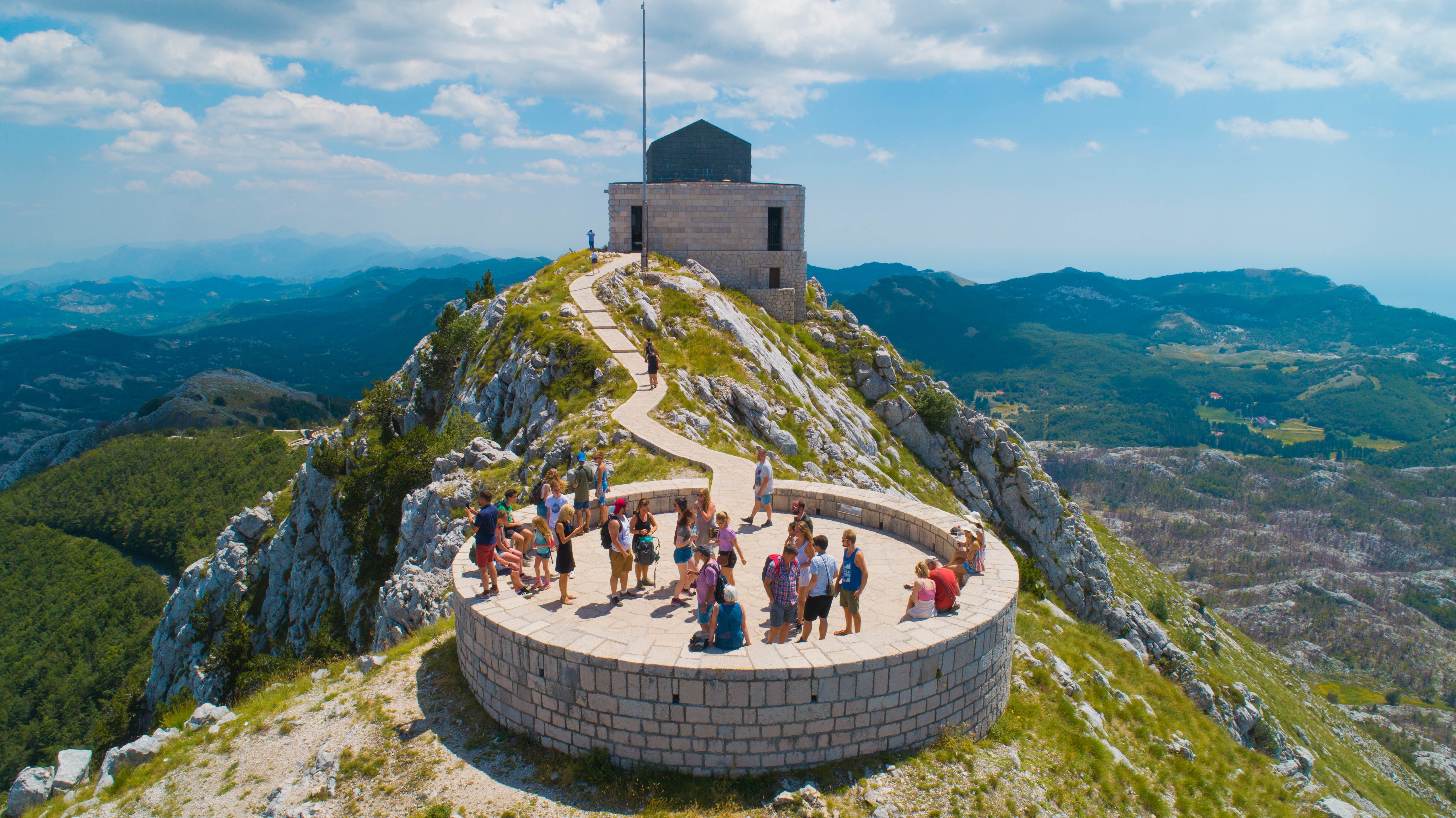
Soar above the bay by cable car, climb to a gilded mausoleum, and cruise the river through Montenegro's heartland.
Reserve
8 hr
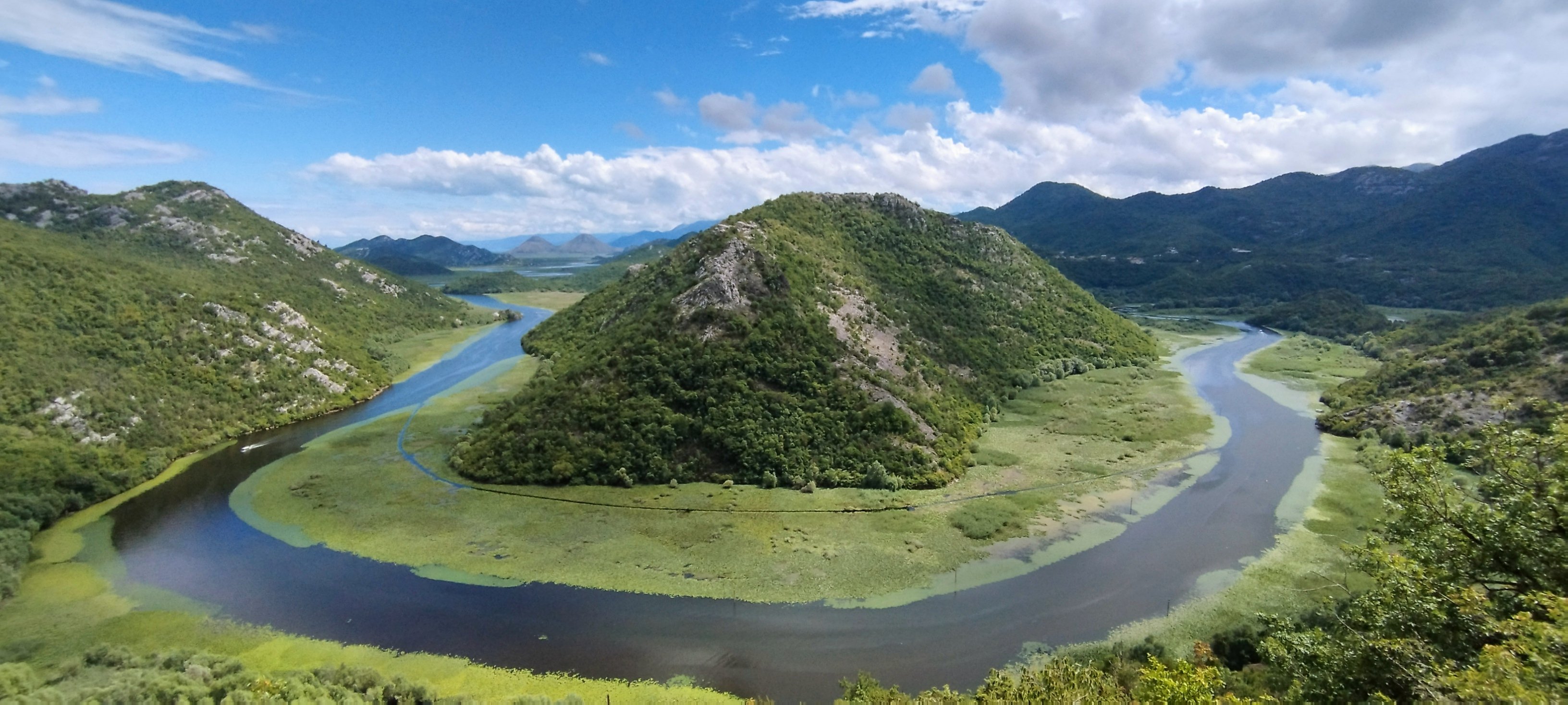
Full-day journey through coastal panoramas, lakeside villages, and mountain viewpoints
ReservePrices from verified partners. Availability updates in real time at checkout. Free cancellation policies apply where shown.
The landmarks, rooms, and views travelers on this tour remember — all visible on a single visit.
The Upper Monastery is carved directly into the vertical cliff face and holds the relics of Saint Basil of Ostrog
Upper Ostrog Monastery cave church
The Lower Monastery serves as a residence for monks and features the Church of the Holy Trinity
Lower Ostrog Monastery architecture
This chapel contains 17th-century frescoes that are remarkably preserved despite the harsh environment
Ostrog Monastery interior chapel
Located at the highest point of the Upper Monastery this chapel is famed for its stunning cliffside views
Ostrog Monastery cliff view
Many pilgrims visit the Upper Monastery specifically to honor the relics of the saint who founded the site
Saint Basil of Ostrog relics
Ostrog offers a dramatic cliff-side experience that contrasts with the royal heritage found at Cetinje. Many travelers find that booking an ostrog monastery tour from budva tours provides a more profound visual impact, while the Cetinje landmarks offer easier access to Montenegro's national history.
| Feature | Top pick Ostrog Monastery | Cetinje Monastery |
|---|---|---|
Setting |
Vertical cliff face | Urban town center |
Architectural Style |
Cave-embedded stone | Classical religious structure |
Physical Access |
Challenging mountain roads | Flat city terrain |
Primary Visitor Interest |
Spiritual pilgrimage | Royal history and relics |
Travel Time from Budva |
Approx. 2–2.5 hours | Approx. 1 hour |
Spiritual Atmosphere |
High intensity, devout | Museum-like, solemn |
| See tickets → |
Verdict: If you prioritize unique mountain geography over city-center convenience, purchase your ostrog monastery tour from budva tickets for a singular experience, whereas those seeking historical depth may prefer browsing local ostrog monastery tour from budva tour options that combine Cetinje with other cultural sites.
Choose your ticket, select your date, and reserve in under two minutes. Secure checkout handled by our verified partner.
Instant confirmation by email, with a mobile voucher you can save offline. No printing, no queuing at a collection desk.
Arrive at the entrance, show your voucher on your phone, and walk in. Most tickets include priority or skip-the-line access.
Practical details for your visit straight from our verified partners — hours, access, rules, and how to get there.
Mediteranska, Budva
Standard pick-up point for most tours
Follow the E80 and M18 routes towards Danilovgrad. Parking is available at the lower complex.
Hire a private driver from Budva for a direct route. Confirm the return trip before departure.
Visitors must dress modestly with shoulders and knees covered. This applies to both men and women when entering the Upper Monastery.
Large backpacks and bulky bags are discouraged due to the narrow passageways. Keep personal belongings compact and close to your body.
Photography is strictly prohibited inside the cave churches. Exterior shots of the cliffside architecture are generally permitted.
The Upper Monastery is accessed via a steep, uneven path that is not suitable for wheelchair users. Visitors with limited mobility may find the climb challenging.
Mobile phones should be set to silent mode during your visit. Respect the spiritual atmosphere of the site by refraining from loud conversations.
Families are welcome, though the site involves significant walking and stair climbing. Ensure children are supervised at all times near the cliff edges.
There are no restaurants inside the monastic complex. Visitors should bring sufficient water, especially during the summer heat.
Pets are not permitted within the monastery grounds. Please make arrangements for your animals before traveling from Budva.
The ostrog monastery tour from budva provides access to one of the most important pilgrimage sites in the Balkans. Maintain a quiet demeanor while exploring the cave structures.
Best time to go, insider tips, nearby landmarks, and the cancellation fine print — flip through to skim what matters to you.
How crowds, weather, and events shift across the year.
Mild temperatures make the ascent comfortable. Expect moderate crowds compared to summer months.
August brings high heat so start early. This is the busiest period for a Montenegro pilgrimage tour.
Cooler air and quieter paths. Ideal for photography of the cliffside.
Snow can occur on the mountain road. Check local conditions before planning an ostrog monastery tour from budva.
Small details that turn a good visit into a great one.
Always aim to arrive between 06:00–09:00 to escape the heat and tour bus crowds. This window offers the most peaceful experience at the shrine.
Wear sturdy, grippy shoes for your ostrog monastery tour from budva. The stone paths can be slippery and uneven.
Carry plenty of water as there are no shops inside the complex. The climate in the Bjelopavlići plain can be very hot in summer.
Bring a light scarf or wrap for modesty if your attire is sleeveless. Compliance is required for entry to the Upper Monastery.
This is a functioning religious site. Maintain silence to show respect for the monks and worshippers.
Non-bookable sights within a short walk — free to visit, easy to pair.
A peaceful river running through the Danilovgrad valley.
A scenic area known for its springs and clear water.
A historic monastery located in the nearby valley.
Flexible, no hidden fees.
Tours must be cancelled according to the specific operator terms provided at booking. The attraction itself charges 0 EUR for entry.
Hand-picked options within walking distance — pick a district for vibe, or a specific hotel for convenience.
Guesthouses and local apartments near the monastery base.
Urban hotels with various dining and shopping options.
Ostrog Monastery clings to a vertical cliff face 900 metres above the Zeta valley, its white façade visible from fifteen kilometres across the Bjelopavlići plain. Founded in the seventeenth century by Metropolitan Vasilije of Herzegovina, the complex comprises two distinct structures: the Lower Monastery, built in 1820 around the Church of the Holy Trinity, and the Upper Monastery, carved directly into the limestone precipice in 1665. Vasilije retreated to this remote outcrop during the Ottoman advance, seeking a site inaccessible to cavalry and siege engines. His remains, entombed in the Upper Church, draw half a million pilgrims annually, making Ostrog the most visited pilgrimage site in the Balkans after Mount Athos. The monastery's architecture defies conventional construction. The Upper Church occupies two natural caves, their ceilings smoothed by hand chisels and reinforced with timber beams salvaged from Adriatic shipwrecks. Frescoes dating to the 1660s cover the interior walls, their pigments derived from crushed malachite, lapis lazuli, and local red ochre. The iconostasis, gilded in 1702, survived three fires and an earthquake in 1979 that destabilised the cliff face, requiring UNESCO-supervised stabilisation work completed in 1986. A narrow stone staircase, worn concave by centuries of barefoot ascent, connects the two levels; devout pilgrims complete the 1.2-kilometre climb without shoes, a practice documented in Serbian Orthodox texts since 1688. Modern ostrog monastery tour from budva services depart daily between 06:00 and 09:00, the optimal window to avoid midday heat and coach tour congestion that peaks after 11:00. The 95-kilometre route follows the E762 through Nikšić, crossing the Morača River canyon where the road narrows to single-lane tunnels blasted through karst shelves in the 1950s. Guides provide context on the monastery's role during Yugoslav socialism, when state authorities restricted access yet tolerated pilgrimages as a cultural tradition rather than religious practice. The site reopened fully in 1990, and restoration teams have since stabilised the cliff face with steel anchors and drainage channels to divert snowmelt. Visitors reaching the Upper Monastery at dawn witness the valley floor emerging from mist, the same view that convinced Vasilije of the site's defensive and spiritual primacy. The monastery operates year-round, though winter access requires snow chains on the final ascent. Free entry is maintained, with donation boxes funding ongoing preservation work. The phone line +382 683 303 36 connects directly to the monastic office for group coordination and liturgical schedules.
"Vasilije retreated to this remote outcrop during the Ottoman advance, seeking a site inaccessible to cavalry and siege engines."
A step-by-step walkthrough of the visit — what you'll see, how long each stage takes, and the details that matter.
You leave Budva before sunrise, the Adriatic receding as your vehicle climbs the E762 toward the Dinaric interior. Coastal humidity gives way to dry mountain air. After ninety minutes you reach the Lower Monastery, where a cobblestone path lined with plane trees leads to the trailhead. The ascent begins gently, switching back through oak forest before emerging onto open stone. Pilgrims in traditional dress pass you, some barefoot, others carrying icons wrapped in linen. The Upper Monastery appears suddenly, its whitewashed arches cantilevered over a 200-metre drop. You enter the cave church through a doorway barely 1.6 metres high. Inside, votive candles illuminate frescoes of saints and martyrs, their expressions rendered in strokes so fine they seem wet. The air is cool and smells of beeswax and incense. A monk in black robes gestures toward the silver reliquary holding Vasilije's remains. You join a queue of visitors pressing their foreheads to the glass, a gesture repeated a thousand times daily. Outside, the terrace offers unobstructed views across the valley. You trace the road you ascended, a gray thread stitched into green folds. The descent takes thirty minutes. By the time you return to the vehicle, the site is crowded with tour coaches, but your early arrival secured the silent hour.
The monastery is open daily from 06:00–17:00 for visitors. These hours apply throughout the entire week.
Entry to Ostrog Monastery is 0 EUR, though donations are always welcome. This applies to all visitors accessing the site.
The best arrival window is 06:00–09:00 to avoid peak crowds and the heat of the day. This is highly recommended for any ostrog monastery tour from budva.
Yes, modest dress covering shoulders and knees is required for all visitors. This is a standard requirement for religious sites in Montenegro.
No, photography is strictly prohibited inside the cave churches of Ostrog Monastery. You may capture images of the exterior landscape.
It is best to consume food and drinks outside the monastic complex. There are no facilities for dining within the holy site.
A standard visit typically lasts several hours depending on travel time from Budva. Plan for a half-day trip to see the site properly.
The Upper Monastery requires climbing steep stone stairs and is not easily accessible. Those with mobility issues may find the ascent difficult.
Avoid bringing large luggage, drones, or weapons to the site. Stick to essentials like water, sun protection, and a camera.
Yes, children are welcome on an ostrog monastery tour from budva. Please ensure they remain supervised, especially near cliff edges.