13 hr
Durmitor, Tara Canyon & Ostrog Monastery Full-Day Tour
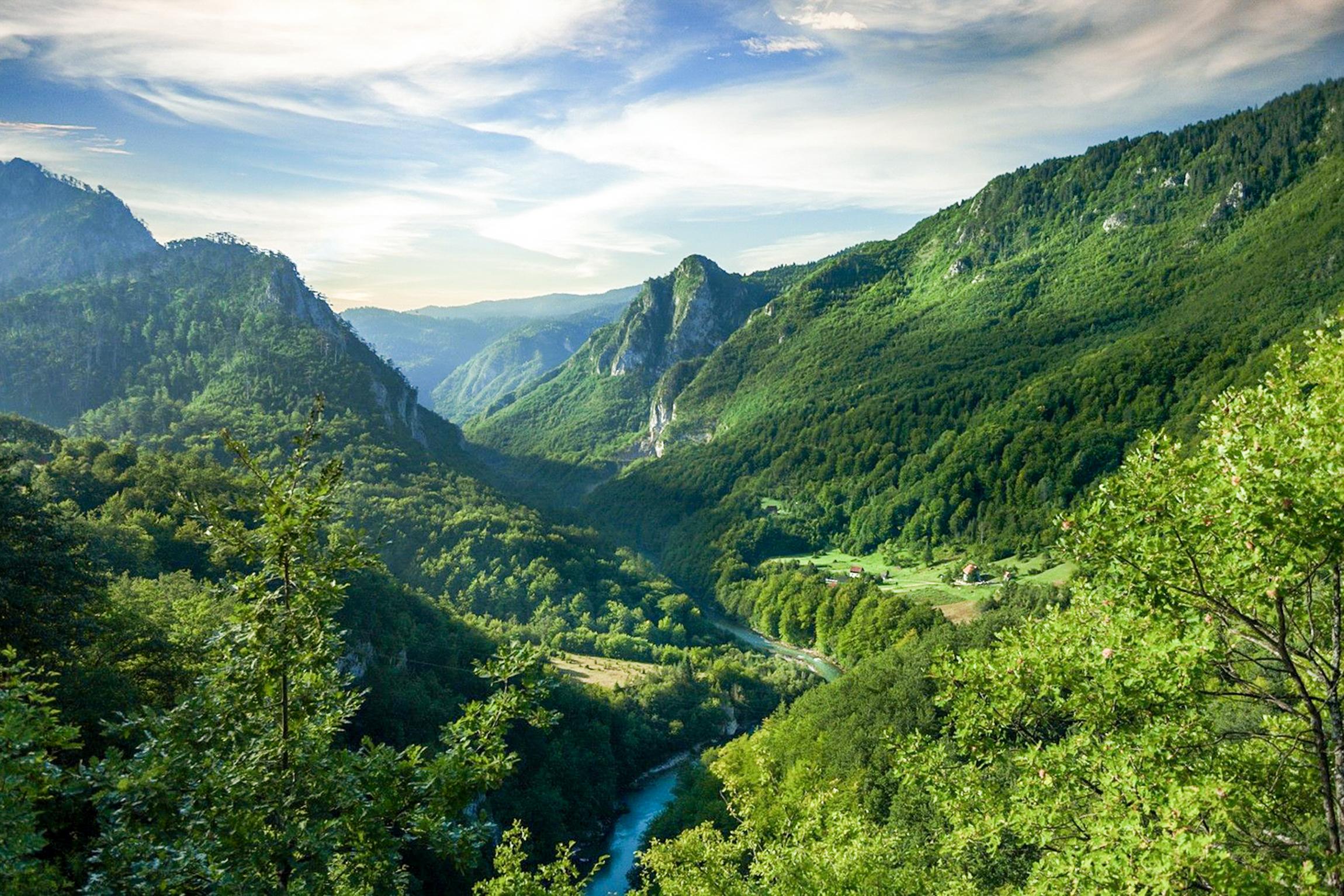
Journey through Montenegro's northern highlands, from glacial lakes to Europe's deepest canyon and a cliffside monastery
Reserve
Hand-picked by our editors — only the best 5 experiences from 18 reviewed.
Verified partners for every tour, free cancellation where available, and instant confirmation on every booking.
13 hr
Journey through Montenegro's northern highlands, from glacial lakes to Europe's deepest canyon and a cliffside monastery
Reserve
11 hr
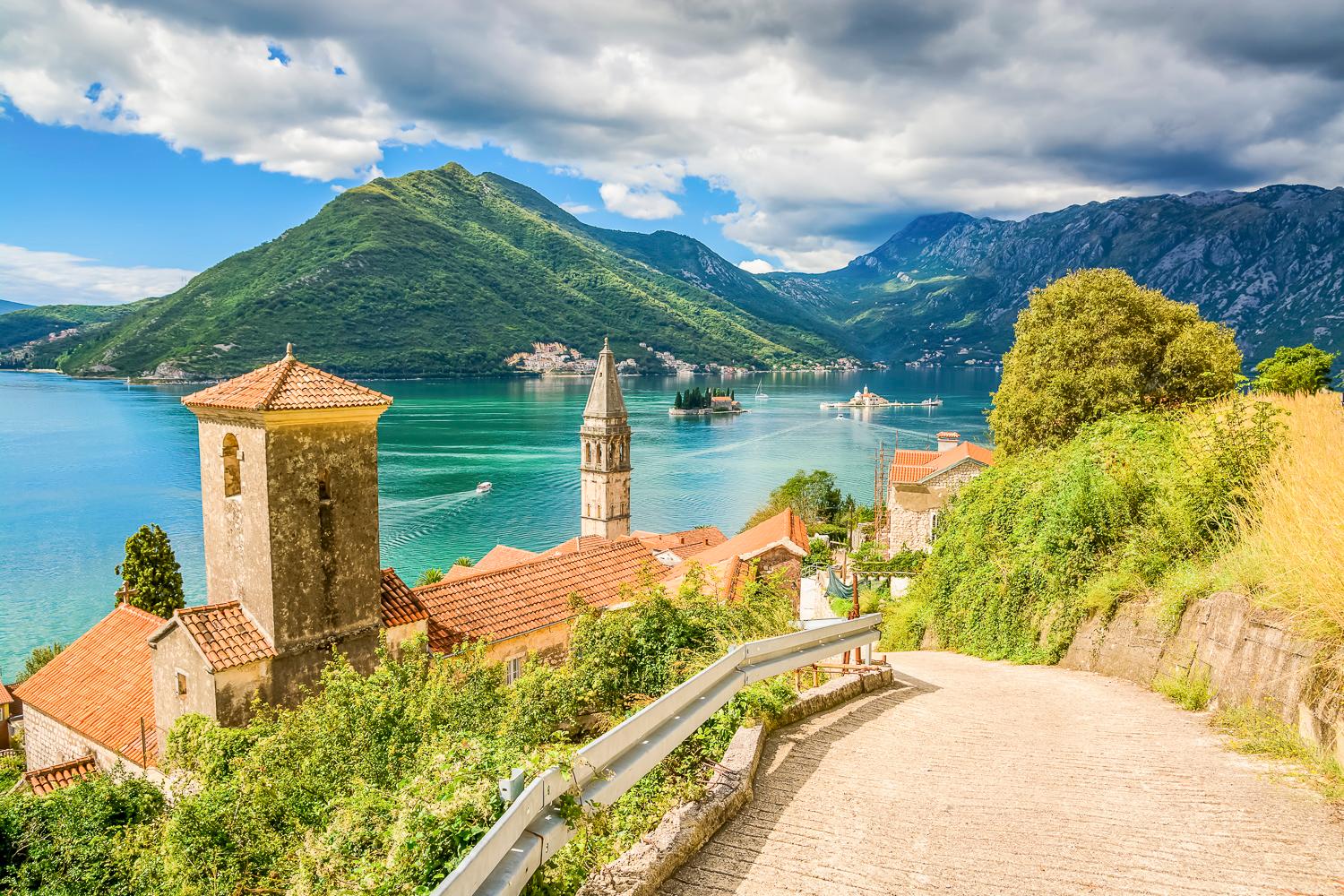
Cross the border for an 11-hour journey through Boka Bay, Perast, and historic Kotor
Reserve
11 hr
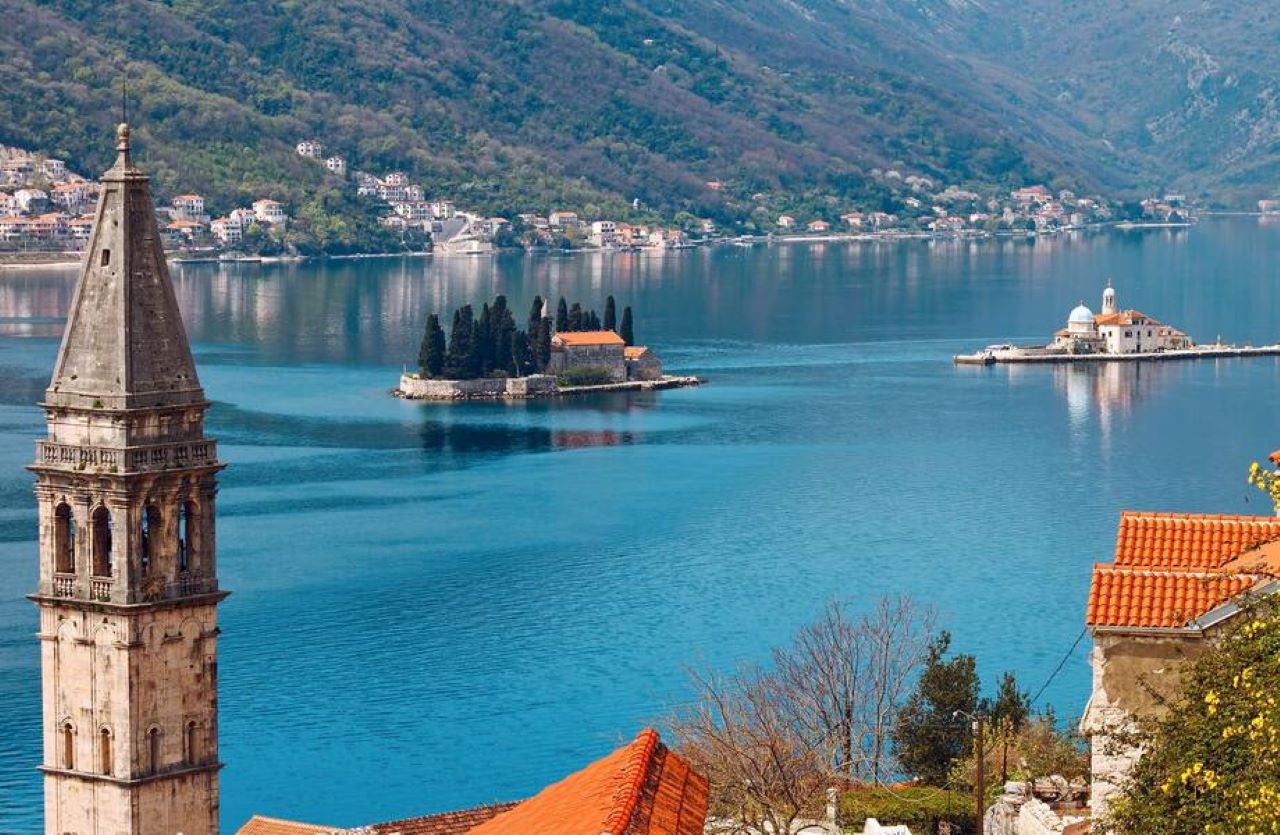
Cross the border for a full-day Adriatic adventure featuring Perast, a bay cruise, and UNESCO-listed Kotor
ReservePrices from verified partners. Availability updates in real time at checkout. Free cancellation policies apply where shown.
The landmarks, rooms, and views travelers on this tour remember — all visible on a single visit.
This structure is built directly into a vertical cliff face 900 meters above the Zeta Valley. It was founded in the 17th century by Saint Basil of Ostrog.
This area serves as the starting point for pilgrims and contains the Holy Trinity Church. It acts as a residential center for the monks residing at the site.
The church serves as a spiritual anchor for those visiting the lower monastery levels. It is renowned for its traditional religious iconography.
These two interior spaces are carved into the mountain rock and contain 17th-century frescoes. The walls are narrow, forcing visitors to move in a single-file line.
The remains of the saint are kept in a small, sacred room inside the Upper Monastery. Pilgrims travel from all over the world to pay their respects here.
They complement each other; most visitors find the dramatic cliff-side architecture of the former more intense, while the latter offers a deeper connection to the royal heritage of the city. An ostrog monastery trip provides a high-altitude spiritual experience that contrasts sharply with the accessible urban setting of the historical capital.
| Feature | Top pick Ostrog Monastery | Cetinje Monastery |
|---|---|---|
Setting |
Vertical cliff-side | Urban royal center |
Access/Terrain |
Steep winding mountain road | Flat city streets |
Primary Appeal |
Architectural marvel | Religious relics and history |
Vibe |
Dramatic and remote | Quiet and reverent |
Typical Visit Duration |
1.5–3 hours | 45–75 minutes |
| See tickets → |
Verdict: Choose the mountain site for panoramic views and engineering curiosity, or prioritize the city center location if you prefer convenient access to these important Montenegrin landmarks through various ostrog monastery trip tours.
Choose your ticket, select your date, and reserve in under two minutes. Secure checkout handled by our verified partner.
Instant confirmation by email, with a mobile voucher you can save offline. No printing, no queuing at a collection desk.
Arrive at the entrance, show your voucher on your phone, and walk in. Most tickets include priority or skip-the-line access.
Practical details for your visit straight from our verified partners — hours, access, rules, and how to get there.
81410 Danilovgrad
Main arrival point for most vehicles
The road is narrow and winding, requiring careful driving. Parking is available at both lower and upper levels.
Local taxis from Podgorica or Nikšić offer convenient transport to the gate. Agree on a round-trip price beforehand.
Visitors must dress modestly to enter the churches. Shoulders and knees must be covered, and headscarves are recommended for women.
Security is present at this sacred site. Large backpacks should be left in your vehicle during your ostrog monastery trip.
Photography is strictly prohibited inside the cave churches. Exterior photography of the cliffside architecture is permitted.
The path to the Upper Monastery involves steep, uneven terrain. It is not suitable for visitors with limited mobility or wheelchair users.
Please silence all devices before entering the monastery complex. Respectful conduct is required at all times.
Families are welcome, but please maintain a quiet atmosphere. The narrow pathways require close supervision of children.
There are no food vendors inside the sacred areas. Water bottles are essential for an ostrog monastery trip, especially in summer.
Pets are not allowed inside the religious buildings. They should remain outside the monastery gates.
As an active religious site, visitors are expected to maintain silence. Your ostrog monastery trip experience depends on respecting the local monks and pilgrims.
Best time to go, insider tips, nearby landmarks, and the cancellation fine print — flip through to skim what matters to you.
How crowds, weather, and events shift across the year.
Mild temperatures make the climb pleasant and the surrounding greenery is vibrant.
Expect high heat and peak crowds during July and August; arrive by 06:00.
Cooler weather and thinner crowds compared to the summer months.
Snow can make the road to the monastery difficult; verify weather before departure.
Small details that turn a good visit into a great one.
Arriving between 06:00–09:00 ensures you beat the mid-day heat and large tour buses.
Always carry a light shawl or cover-up, as guards will prevent entry if shoulders or knees are exposed.
The road leading to the monastery is narrow with sheer drops, so maintain a low speed.
Summer temperatures often exceed 30 degrees Celsius during your ostrog monastery trip.
Maintain a respectful whisper while inside the cave churches to honor the pilgrims.
Observe the marked paths to avoid straying into restricted monastic living quarters.
Non-bookable sights within a short walk — free to visit, easy to pair.
A scenic river perfect for short walks near Danilovgrad.
A lesser-known monastery located at the base of the mountains.
Flexible, no hidden fees.
Entrance is 0 EUR. If you booked an external ostrog monastery trip tour, please refer to your specific operator's cancellation terms.
Hand-picked options within walking distance — pick a district for vibe, or a specific hotel for convenience.
Small guesthouses providing local hospitality.
Various lodging options in the capital city.
The Upper Monastery at Ostrog was hollowed from a sheer limestone cliff in 1665, its white façade visible from the Zeta valley fifteen kilometres below. Saint Basil of Ostrog, a seventeenth-century bishop fleeing Ottoman persecution, chose the cave as his final refuge and spent twelve years in prayer until his death in 1671. His relics, housed in a silver reliquary within the cave church, draw more than a million pilgrims each year—Orthodox Christians, Catholics, and Muslims alike—making Ostrog the most-visited spiritual site in the Balkans after Mount Athos. The monastery complex occupies two levels separated by a serpentine three-kilometre footpath. The Lower Monastery, built in the nineteenth century and reconstructed after a 1923 fire, anchors the valley floor with its dormitories, refectory, and the Church of the Holy Trinity, frescoed in muted ochres. The Upper Monastery clings nine hundred metres above sea level, its twin cave churches—the Church of the Holy Cross and the Church of the Presentation—carved directly into the rockface. Pilgrims ascend the steep trail barefoot during feast days, a tradition unbroken since the saint's canonisation in 1714. Ostrog's architecture defies gravity. The Upper Monastery protrudes just two metres from the cliff, its walls indistinguishable from the stone matrix. Seventeenth-century frescoes survive inside the cave chapel, their pigments protected by the limestone's constant humidity. A grapevine grows from a fissure in the rock above the entrance, its roots unseen, fruiting each August despite the absence of soil—a phenomenon pilgrims interpret as the saint's continuing intercession. The monastery operates as a living religious community. Twelve monks maintain the daily liturgical cycle, welcoming visitors from dawn until evening prayer. The surrounding Bjelopavlići plain, historically a borderland between Venetian and Ottoman spheres, saw Ostrog function as both sanctuary and political symbol during Montenegrin struggles for independence. Prince-Bishop Petar II Petrović-Njegoš visited frequently in the 1840s, and the site remained a haven for refugees during the Balkan Wars. Today an Ostrog Monastery trip remains the spiritual anchor of Montenegro, its white walls a fixed point above the valley's shifting histories.
"A grapevine grows from a fissure in the rock above the entrance, its roots unseen, fruiting each August despite the absence of soil."
A step-by-step walkthrough of the visit — what you'll see, how long each stage takes, and the details that matter.
You leave Podgorica or Kotor before dawn, the road climbing through the Morača canyon as the valley's oak forests thin to karst. Two hours later the white façade appears against grey limestone, improbable and horizontal where the cliff is vertical. You park at the Lower Monastery and walk the cobbled path past the Church of the Holy Trinity, its courtyard shaded by walnut trees and lined with benches where pilgrims rest. The footpath to the Upper Monastery switchbacks through pine and juniper, a thirty-minute ascent over loose stone. You arrive at the terrace as morning light strikes the cave entrance. Inside the Church of the Holy Cross, silver lamps hang from the natural rock ceiling, their flames reflected in the polished reliquary. You join the queue to venerate the saint's relics, the air cool and dense with incense. A monk in black robes hands you a candle; you light it and set it in the sand tray beside two hundred others. You step back onto the terrace and trace the grapevine's thin trunk ascending the rockface, its leaves vivid against pale stone. The Zeta valley spreads below, stitched with irrigation channels and bordered by the Dinaric range. You descend slowly, pausing at the spring where pilgrims fill plastic bottles with water they believe carries the saint's blessing.
The monastery is open daily from 06:00–17:00. This applies to all visitors planning an ostrog monastery trip.
The entrance fee is 0 EUR. Donations are optional when visiting the Ostrog Monastery.
For your ostrog monastery trip, we recommend arriving between 06:00–09:00 to avoid mid-day heat and large crowds.
Photography is prohibited inside the cave chapels of the Ostrog Monastery. You may capture photos of the exterior scenery.
The steep, uneven paths make a family ostrog monastery trip challenging for strollers or those with limited mobility.
Yes, modest dress is required. Shoulders and knees must be covered during any ostrog monastery trip.
Large backpacks are discouraged. Please keep belongings in your vehicle while enjoying your ostrog monastery trip.
The site is best reached by car or taxi from Danilovgrad, Podgorica, or Nikšić. Plan your route to arrive early.
Since there is no entrance fee, there are no tickets for the site itself. Check your specific tour operator's policy for organized ostrog monastery trip tickets.