13 hr
Northern Montenegro: Durmitor, Tara Canyon & Ostrog Monastery
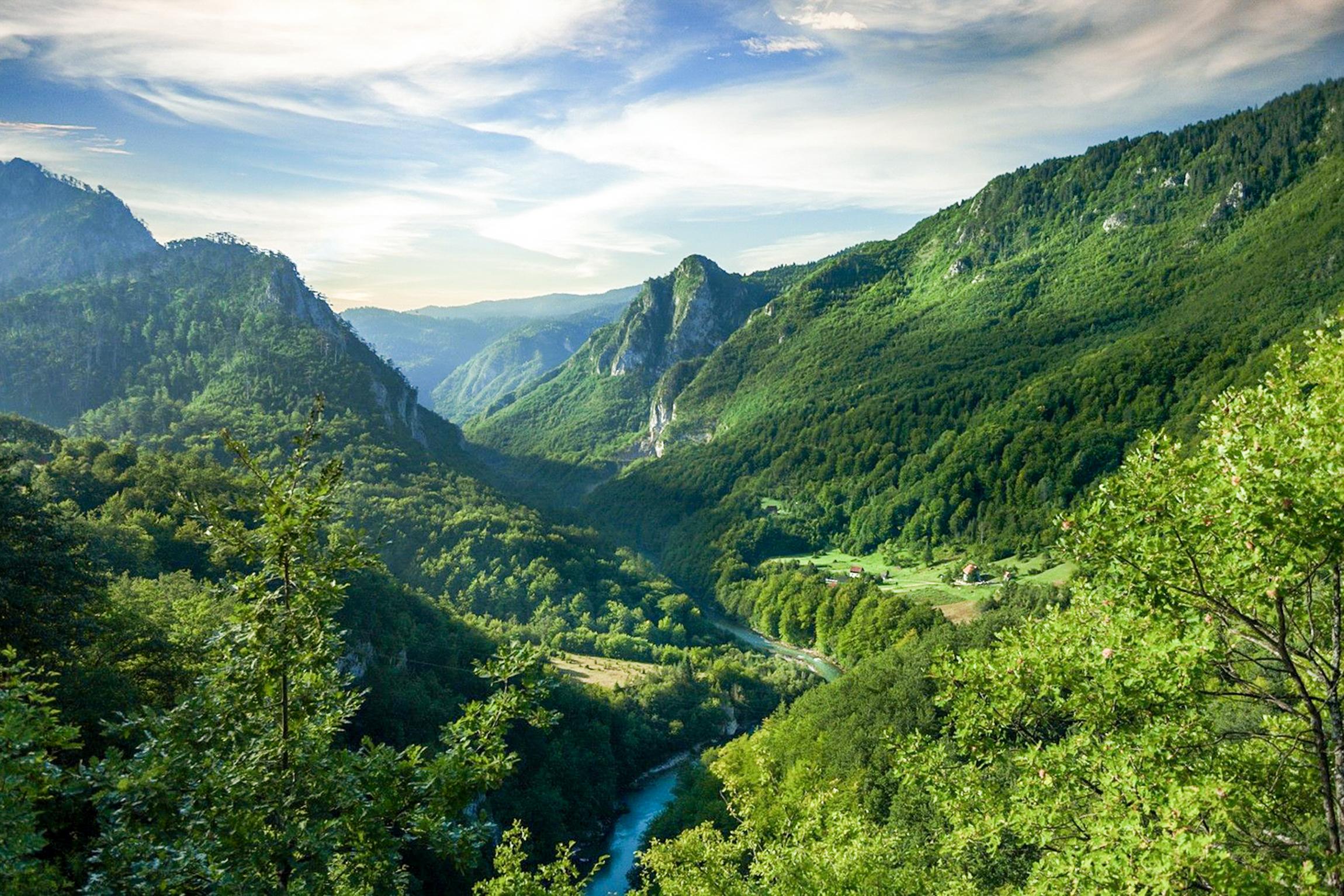
Journey through Montenegro's dramatic highlands, visiting glacier lakes, a canyon-spanning bridge, and a clifftop monastery
Reserve
Carved into limestone, anchored by devotion, reached by winding ascent.
Hand-picked by our editors — only the best 8 experiences from 23 reviewed.
Verified partners for Ostrog Monastery tours, free cancellation where available, and instant confirmation on every booking.
13 hr
Journey through Montenegro's dramatic highlands, visiting glacier lakes, a canyon-spanning bridge, and a clifftop monastery
Reserve
11 hr
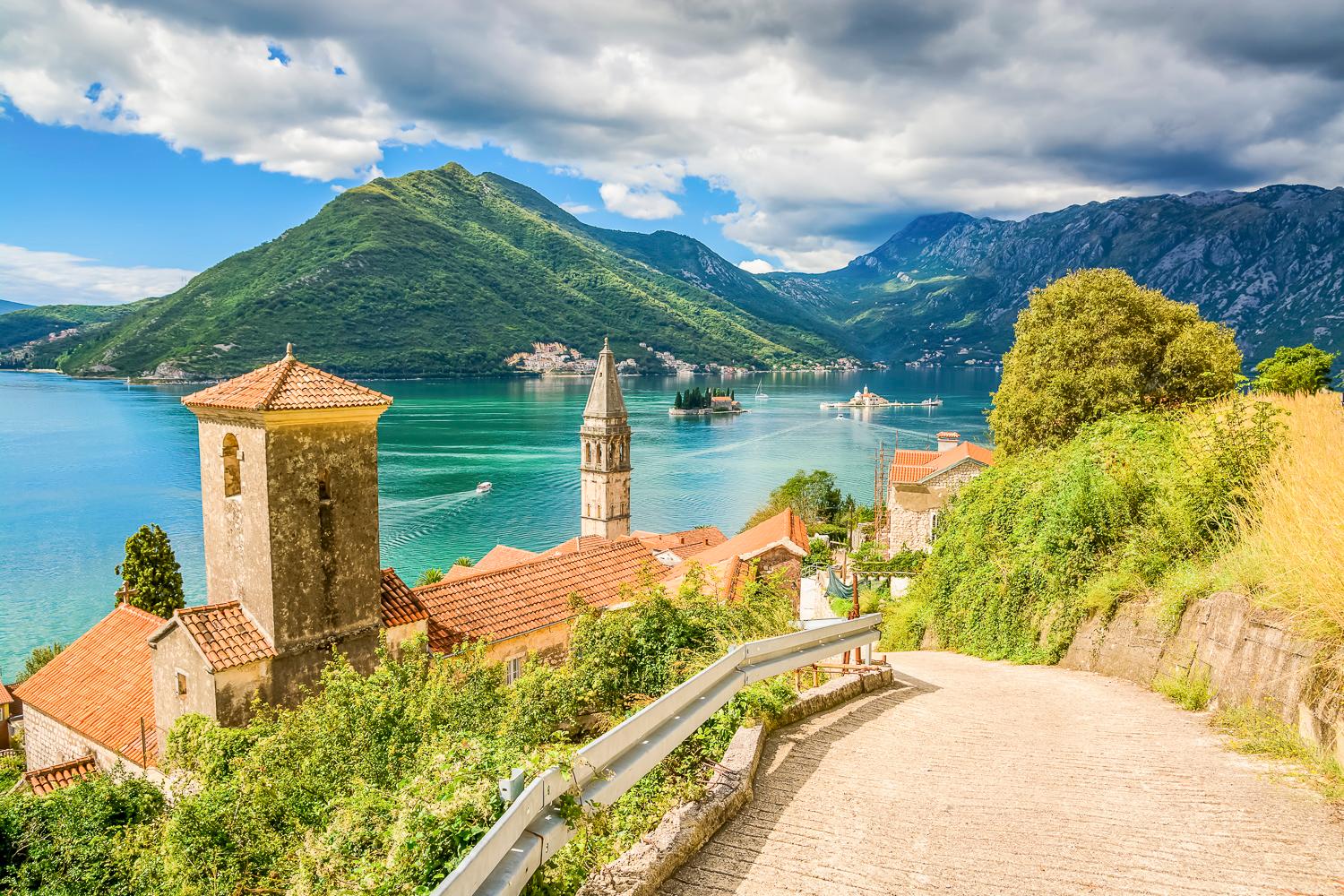
Cross the border for an 11-hour journey through Perast and Kotor with scenic bay views and rich history
Reserve
12 hr
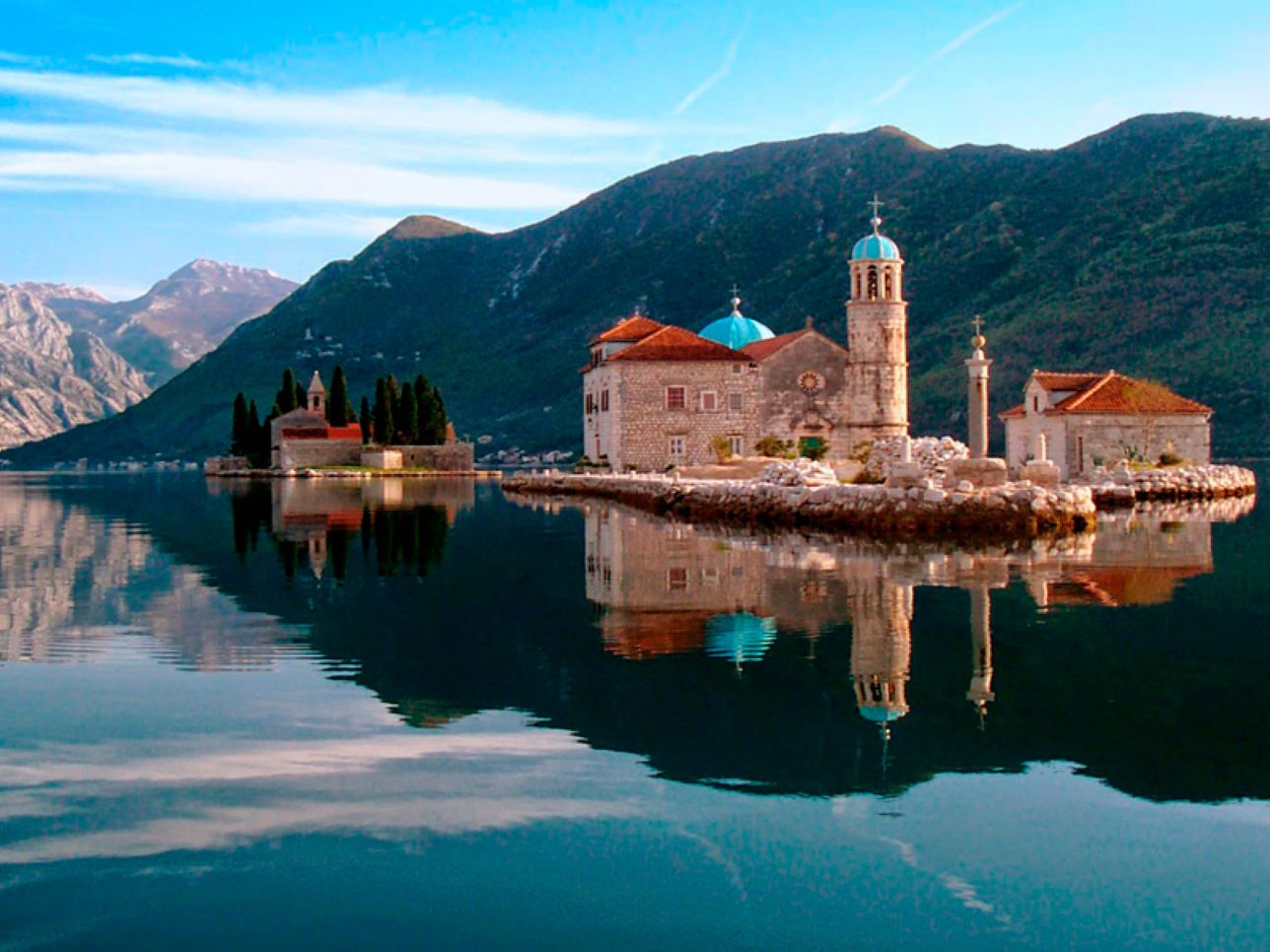
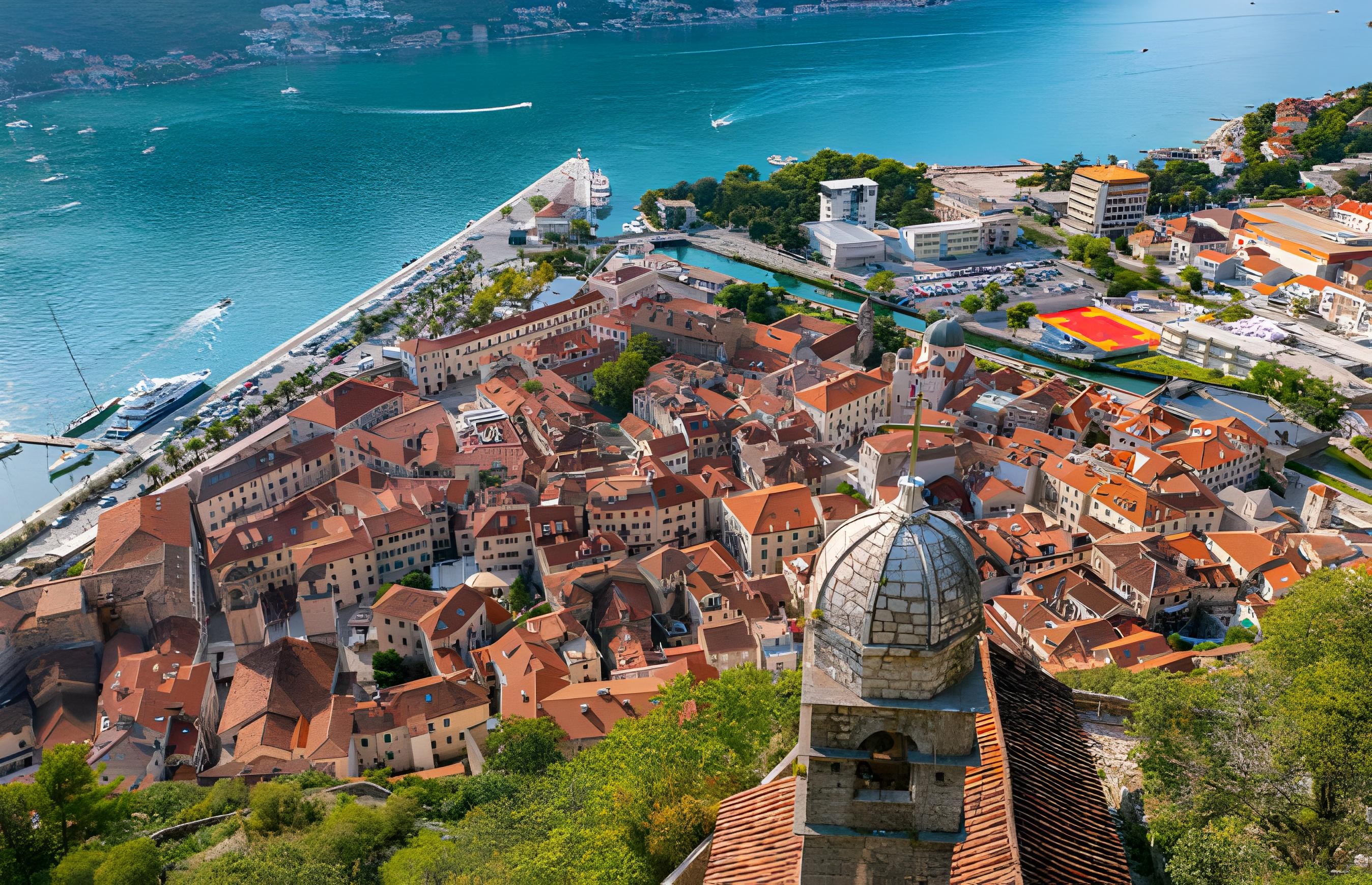
Sail the Adriatic to Montenegro's jewel towns. Explore medieval Kotor, visit a baroque island church, and discover Perast's hidden heritage.
ReservePrices from verified partners. Availability updates in real time at checkout. Free cancellation policies apply where shown.
The landmarks, rooms, and views travelers on Ostrog Monastery tours remember — all visible on a single visit.
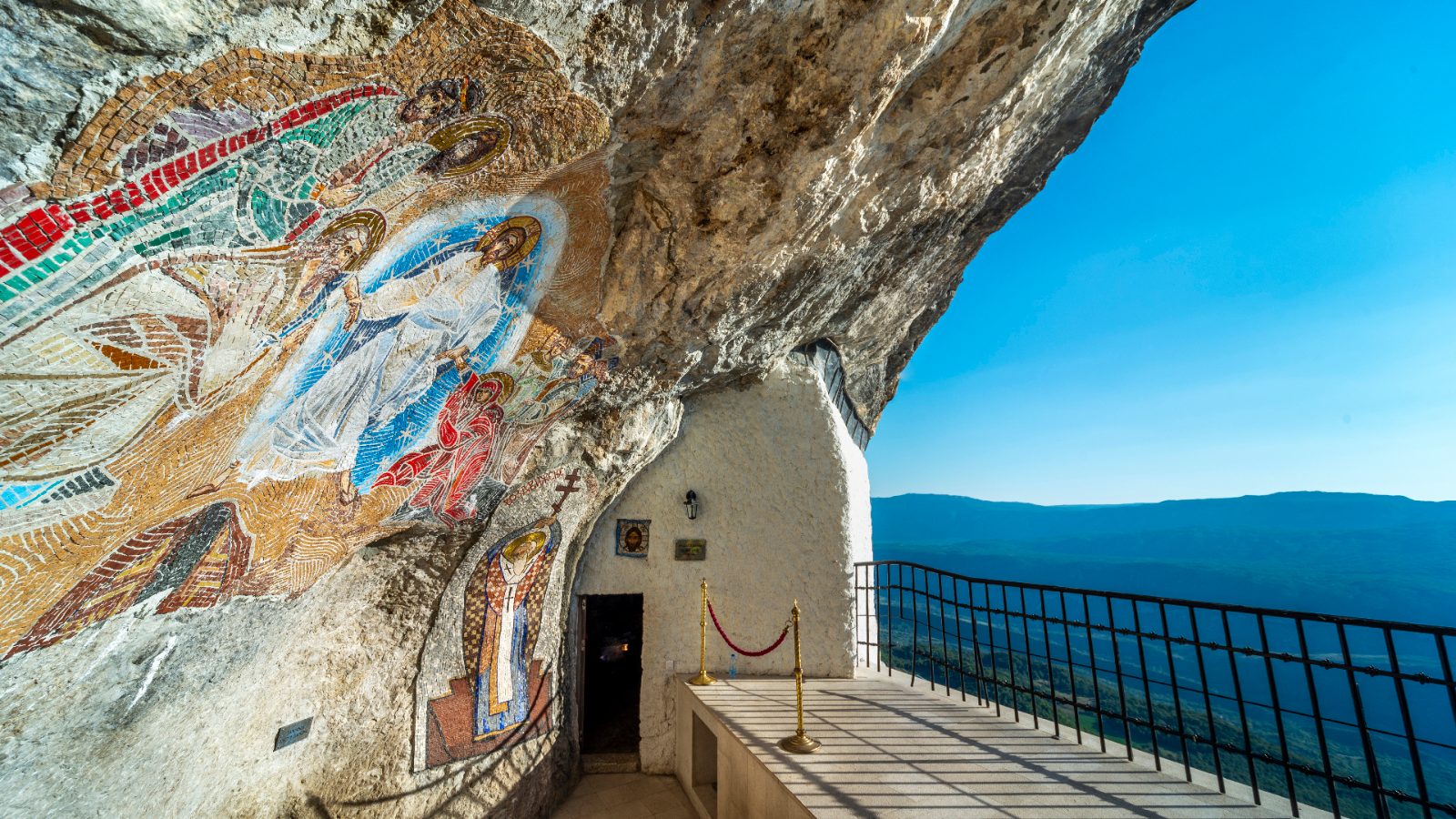
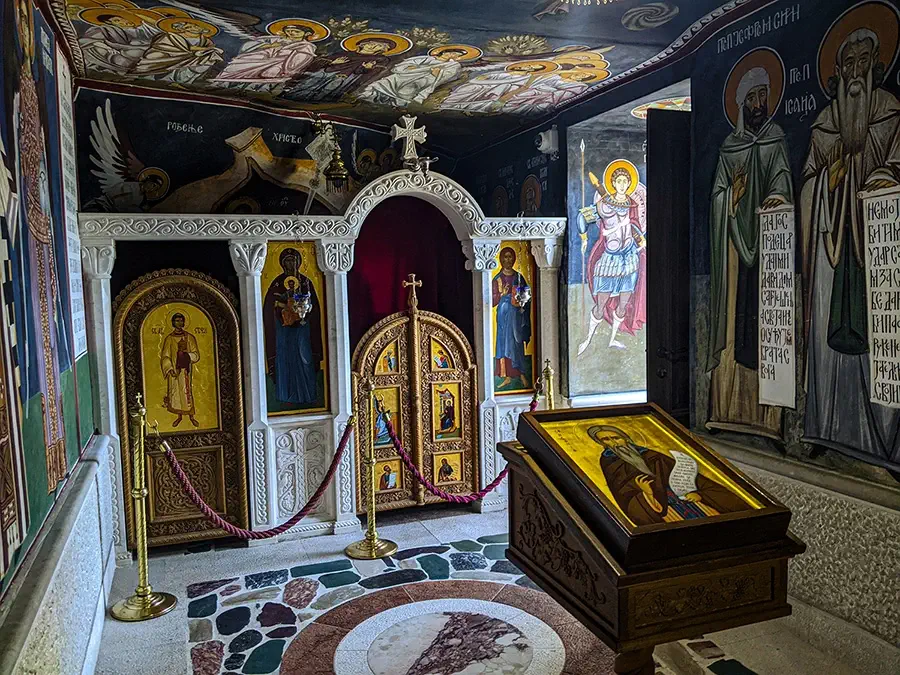
This tiny cave chapel houses the relics of Saint Basil of Ostrog and features 17th-century frescoes painted on the rock.
Located on the top floor, this church is famous for frescoes painted directly onto the irregular cave walls in 1667.
This viewing area offers sweeping vistas of the Bjelopavlići Plain from a cliff-side elevation of 832 meters.
A legendary vine growing from the stone where Saint Basil is said to have passed away.
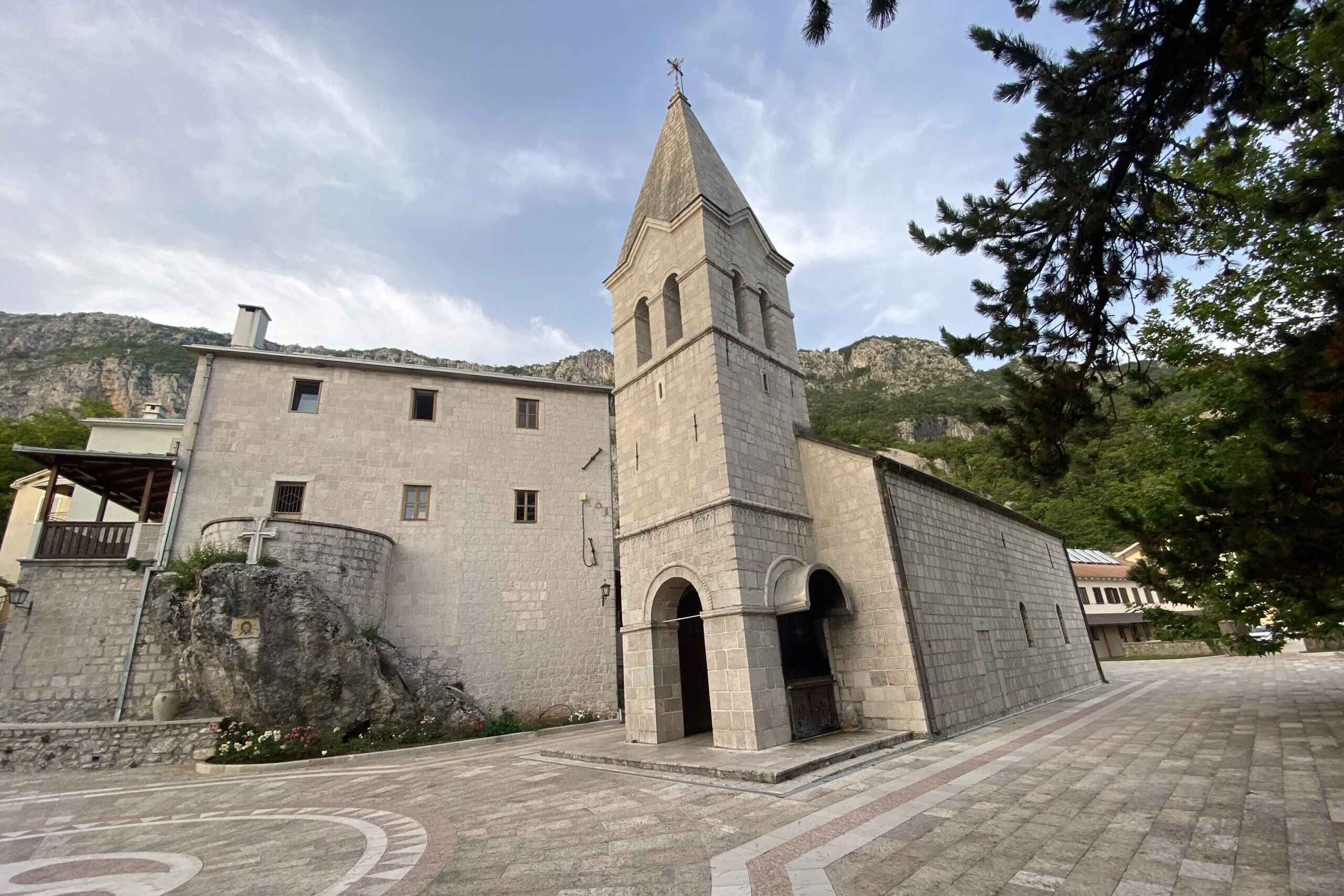
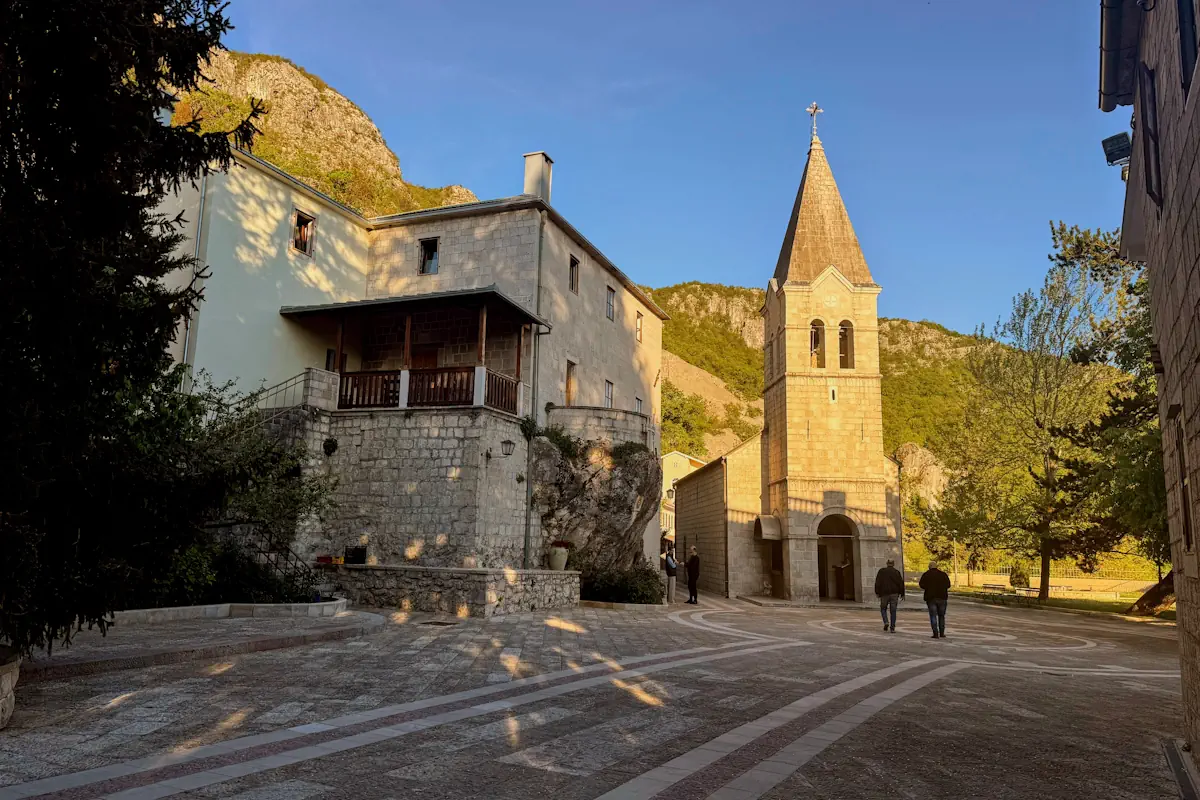
The primary liturgical center of the Lower Monastery, serving as a hub for pilgrims before their ascent.
Every Ostrog Monastery tour side-by-side — duration, what's included, how you redeem.
| Experience | Duration | Rating | Transfers | Pickup | Skip-the-line | Guide | Price | |
|---|---|---|---|---|---|---|---|---|
|
Guided Experience Most popular
Northern Montenegro: Durmitor, Tara Canyon & Ostrog Monastery
|
13 hr | ★ 4.8 | ✓ | ✓ | ✓ | ✓ | €103 | Book → |
|
Guided Experience
Montenegro Coast Discovery from Dubrovnik
|
11 hr | ★ 4.4 | ✓ | ✓ | ✓ | ✓ | €50 | Book → |
|
Guided Experience
Montenegro Coast & Bay Cruise: Kotor and Perast Day Trip
|
12 hr | ★ 4.5 | ✓ | ✓ | ✓ | ✓ | €53 | Book → |
All prices from verified partners. Availability and exact terms confirmed at checkout.
They complement each other; most visitors who do both call the cliff-side pilgrimage site the more thrilling experience, while the royal capital landmark offers easier access. Those booking an ostrog monastery tour should prepare for high-altitude winding roads, whereas the city-center alternative provides a deeper look into the orthodox heritage and history of the Montenegrin capital.
| Feature | Top pick Ostrog Monastery | Cetinje Monastery |
|---|---|---|
Setting |
Vertical cliff face | Urban capital center |
Access/Terrain |
Steep winding mountain roads | Flat city walking |
Primary Appeal |
Architectural integration and views | Relics and royal history |
Religious Significance |
Miraculous site of Saint Basil | Seat of Montenegrin metropolitans |
Recommended Time Investment |
2–3 hours | 1 hour |
Crowd Levels |
High congestion in summer | Moderate seasonal footfall |
| See tickets → |
Verdict: Choose the mountain-carved destination for dramatic scenery, or opt for the royal capital experience if you prefer accessible, heritage-focused Montenegro landmarks, noting that many travelers secure ostrog monastery tour tickets to ensure guided logistical support.
Choose your ticket, select your date, and reserve in under two minutes. Secure checkout handled by our verified partner.
Instant confirmation by email, with a mobile voucher you can save offline. No printing, no queuing at a collection desk.
Arrive at the entrance, show your voucher on your phone, and walk in. Most tickets include priority or skip-the-line access.
Practical details for Ostrog Monastery tickets straight from our verified partners — hours, access, rules, and how to get there.
Strict dress code: shoulders and knees must be covered for all visitors. Men should wear long trousers, and women should wear skirts or trousers below the knee.
Keep belongings minimal. You may bring small offerings like blankets or food, which are accepted as traditional donations for the monastic community.
Photography is strictly prohibited inside the cave churches. You may take photos on the exterior terraces and observation decks.
The Upper Monastery involves steep, uneven terrain. Most visitors use taxis or shuttle buses from the Lower Monastery to reach the upper level.
Mobile phones are permitted. Keep ringer off inside exhibition spaces.
The site is open to all, but the steep walk may be challenging for small children or those with limited mobility. Strollers are not recommended.
No food or drink is sold inside the monastery walls. Carry water with you, especially during the summer heat.
Pets are not allowed, with the exception of service animals with appropriate documentation.
Last entry is typically 1 hour before closing. Check the specific ticket for timing.
Best time to go, insider tips, nearby landmarks, and the cancellation fine print — flip through to skim what matters to you.
Flexible, no hidden fees.
No entrance fee is required, so there are no cancellation costs. Donations are always welcome.
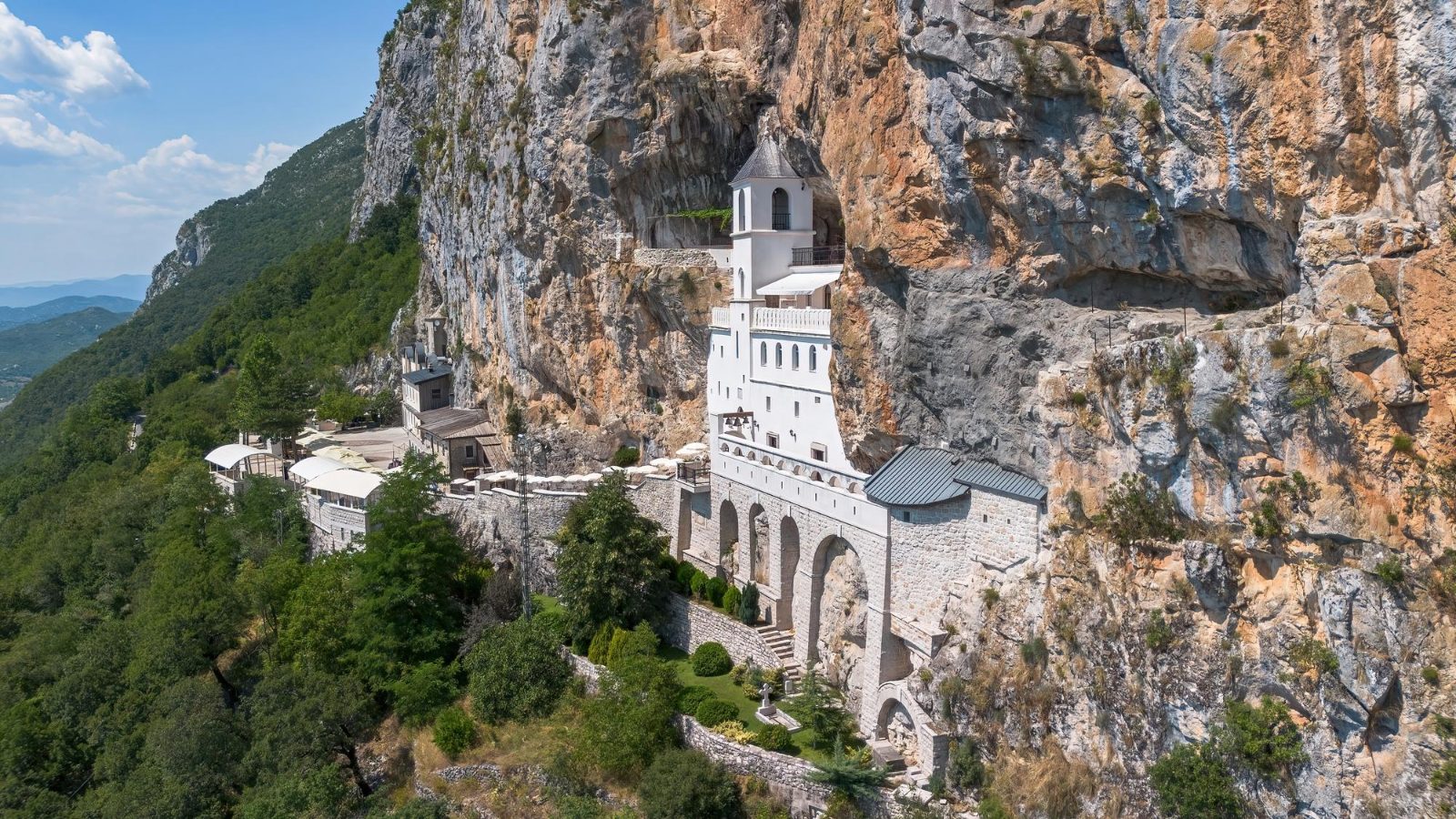
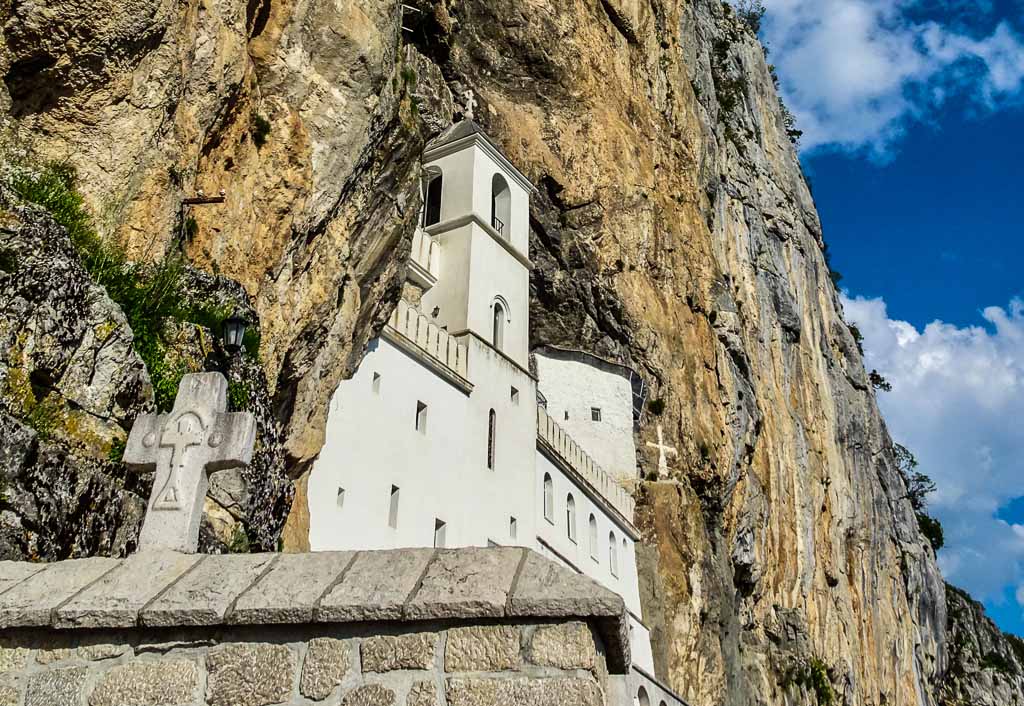
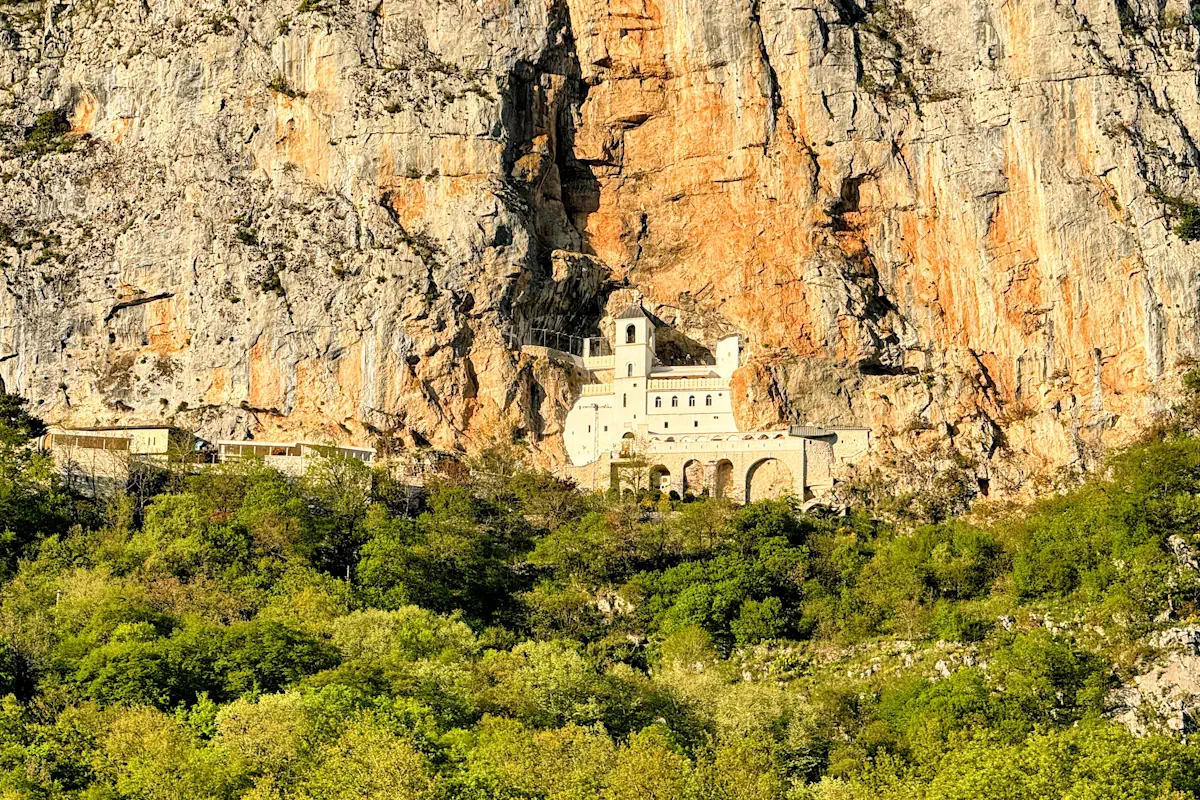
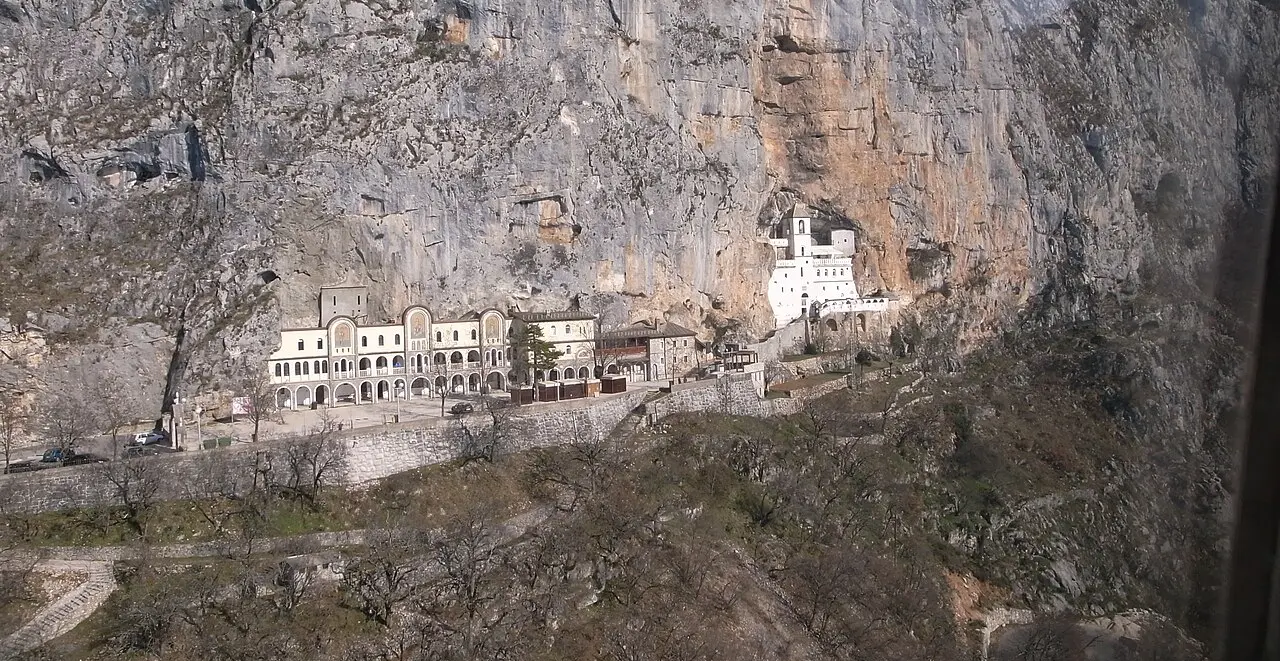
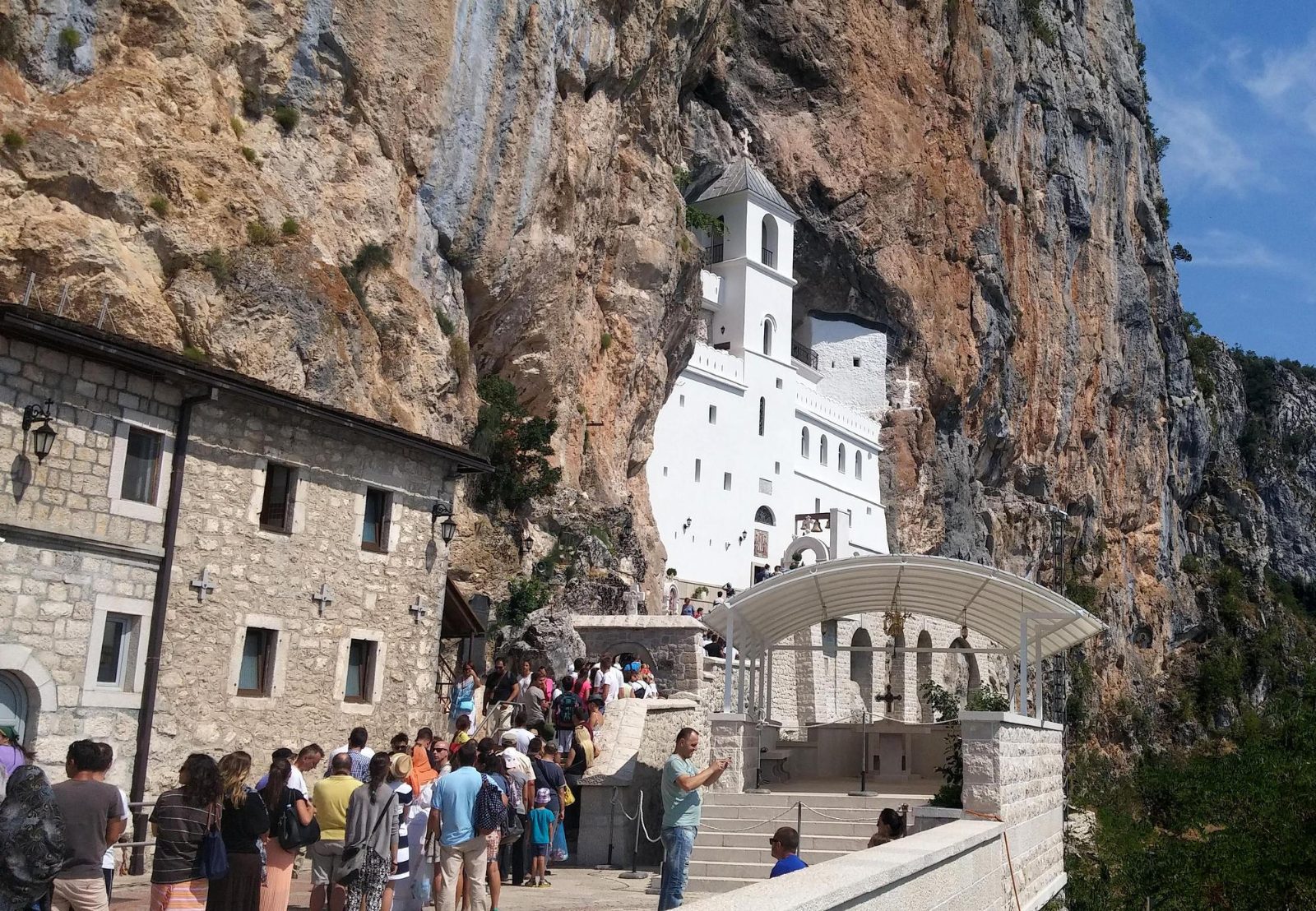
Ostrog Monastery clings to a vertical rock face 900 metres above the Zeta valley floor, its white facades embedded directly into the limestone cliff.
Founded in the 17th century by Metropolitan Bishop Vasilije of Herzegovina, the monastery was built in two stages: the Lower Monastery, constructed around existing cave hermitages, and the Upper Monastery, wedged into a near-vertical precipice accessible only by a narrow serpentine path. Vasilije's remains, housed in the Upper Church of the Holy Cross, draw more than 100,000 pilgrims annually from across the Orthodox world and beyond, making Ostrog the most visited pilgrimage site in Montenegro and one of the most revered in the Balkans.
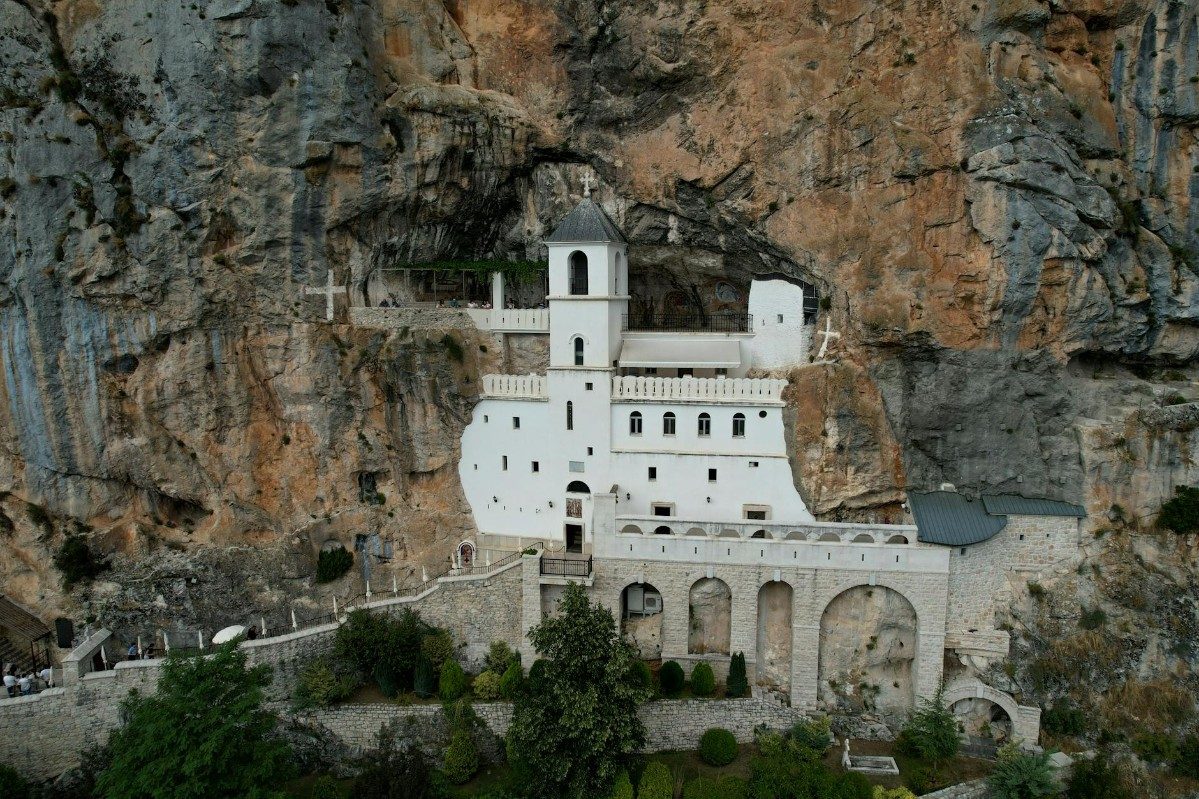
The monastery's architectural improbability is its defining feature. The Upper Monastery comprises two cave churches — the Church of the Presentation of the Mother of God and the smaller Church of the Holy Cross — both carved into natural karst cavities and fronted by whitewashed masonry that appears to float against the sheer cliff. Frescoes attributed to the 17th-century master Radul and his workshop survive in fragmentary but vivid condition, their mineral pigments retaining clarity despite centuries of candle smoke and moisture. The iconostasis in the Church of the Holy Cross is a masterwork of Baroque wood carving, gilded and densely populated with saints rendered in the Cretan-Venetian manner that characterized Orthodox art in the Adriatic hinterland.
Visitors ascending from the Lower Monastery follow a one-kilometre footpath that climbs 300 vertical metres through oak and juniper scrub, the route marked by stone crosses and prayer stations. The final approach traverses a stone terrace barely three metres wide, cantilevered over the valley and enclosed by the overhanging cliff above. From this vantage, the Zeta plain unfolds below, bounded by the Dinaric Alps to the north and the limestone massifs of the central highlands to the east. The monastery remains an active religious community, with resident monks maintaining the liturgical schedule and welcoming pilgrims year-round.
Ostrog Monastery tour options typically depart from Podgorica, Kotor, and Budva, with journey times ranging from 90 minutes to two and a half hours depending on the departure point. An ostrog monastery tour from Podgorica follows the Morača canyon route, while an ostrog monastery tour from Kotor crosses the coastal range via Cetinje. Most organized visits allocate two hours at the site, sufficient for the ascent, veneration, and exploration of both monastic complexes. The monastery observes Orthodox dress codes: covered shoulders and knees are required, and headscarves are provided for women at the entrance.
"The Upper Monastery comprises two cave churches carved into natural karst cavities and fronted by whitewashed masonry that appears to float against the sheer cliff."
A step-by-step walkthrough of Ostrog Monastery tickets — what you'll see, how long each stage takes, and the details that matter.
You arrive at the Lower Monastery complex, where stone arches frame the first view of the Upper Monastery suspended 300 metres above. If you choose to walk, the ascent begins on a paved path that transitions to packed earth and stone after the first hundred metres.
The climb is steady, switchbacking through scrub oak and occasional shade, with Orthodox pilgrims often walking barefoot as an act of devotion. After 25 to 30 minutes, the path narrows to a stone terrace pressed against the cliff face, the valley opening 900 metres below.
You pass through a low archway into the Upper Monastery courtyard, a small flagstone plaza enclosed on three sides by rock and on the fourth by open air. The Church of the Presentation occupies the deepest recess, its interior cool and dim, lit by candles and the glow from frescoed walls. You queue to venerate the reliquary of Saint Vasilije in the adjacent Church of the Holy Cross, a space barely large enough for a dozen visitors. Emerging onto the terrace, you face the Zeta valley framed by the Dinaric massif, the silence broken only by wind and the occasional church bell echoing off stone.
The monastery is open daily from 06:00–17:00.
There is no entrance fee; entry is 0 EUR, though donations are welcome.
All visitors must cover shoulders and knees; respectful attire is mandatory for the Ostrog Monastery.
Children are welcome, but be mindful that the climb to the Upper Monastery is steep and may be tiring for younger visitors.
Photography is forbidden inside the cave churches of the Ostrog Monastery but permitted in outdoor areas.
We recommend arriving between 06:00–09:00 to avoid peak crowds and heat.
Visitors can arrive by car, taxi, or bus to Bogetici before completing the ascent to the Ostrog Monastery.
There are no restaurants inside the site, so please bring your own water and snacks for your Ostrog Monastery visit.
Parts of the site are difficult to navigate; it is best to use shuttle services to reach the upper level of the Ostrog Monastery.